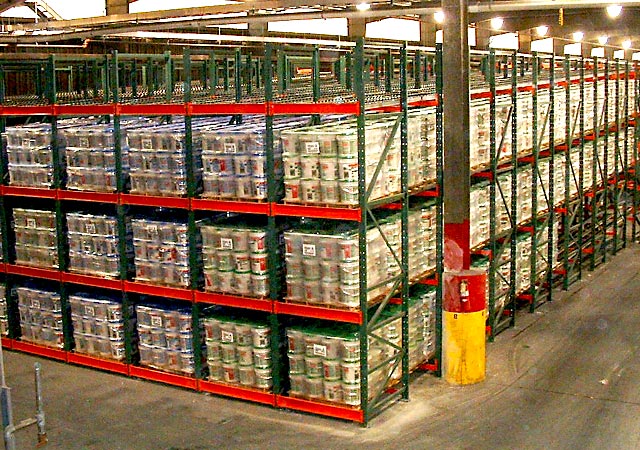
Pallet Flow Rack in Federal Way, WA
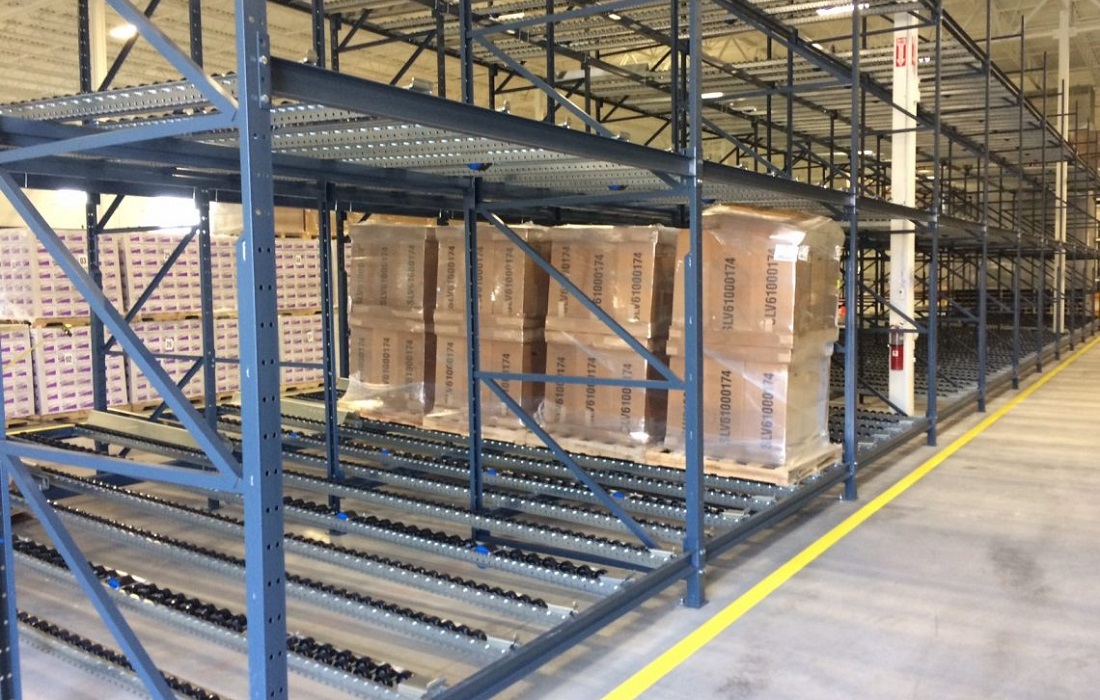
Pallet flow rack in Federal Way gives repeat inventory a defined journey from receiving to dispatch. Pallets enter inclined roller lanes at one face and advance toward picking at the opposite face. For dated products, that arrangement supports FIFO without requiring drivers to retrieve older stock from behind newer arrivals.
The strongest candidates are high volume SKUs with enough recurring stock to occupy dedicated lanes. We assess pallet condition, weight variation and daily withdrawals before recommending depth. A layout must preserve working aisles at both ends, not simply concentrate more positions inside the same outline.
Plan Pallet Flow Racking Around Actual Loads
A workable proposal links stock rotation to physical travel. These four checks establish whether the proposed lanes can sustain the required withdrawal rhythm.
Group repeat inventory
Separate dated, recurring SKUs from irregular stock, then calculate how many dedicated lanes each product needs during normal replenishment cycles.
Examine pallet undersides
Record runner direction, board gaps and visible damage using representative loaded pallets, including lighter shipments that may behave differently on rollers.
Set controlled movement
Match lane length, pitch and braking devices to the load range, checking travel speed and separation at the picking face.
Verify working access
Place the actual handling equipment at both faces on the plan, allowing withdrawal, replenishment and turning without occupying dispatch staging.
Gravity Flow Rack Versus Single-Face Reserve
Pushback uses one working face and normally follows last-in, first-out handling. That can suit repeated reserve inventory without strict rotation requirements. Pallet flow rack becomes more compelling when oldest-first withdrawal matters enough to justify access at opposite ends of the storage block. The Free Design Consultation compares those daily withdrawals with the actual receiving and picking space on your drawing.
FIFO depends on operating discipline as well as rollers. Assign a product and rotation sequence to each lane, identify receiving dates clearly and avoid mixing unrelated lots behind an active pallet. Physical arrival order alone does not establish which product expires first.
The supply and installation scope should identify lane supports, roller assemblies, brake devices and specified entry or separation components. We schedule and manage experienced installation crews around agreed site access. Representative loaded trials should examine light-load movement, heavier-load speed and front-pallet removal before routine replenishment begins.
Federal Way storage servicesPallet flow system optionsCompare pushback in Federal WayCase picking in Federal Way
Pallet Flow Rack for Repeated Daily Withdrawals
Start with the dispatch pattern rather than the building footprint. A fast seller may need several shallow lanes to keep orders moving, while a slower item needs fewer positions. Separate load and pick faces let replenishment continue without routinely entering the aisle where outgoing pallets are collected.
Gravity rollers must support the pallet underside throughout travel. Broken boards, projecting fasteners or inconsistent runners can interrupt movement even when the load dimensions appear identical. We review representative pallets alongside minimum and maximum weights so roller selection reflects what receiving actually handles.
Our Seattle operation belongs to Warehouse Equipment & Supplies Co. as a division, backed by that company supplying and installing storage equipment since 1997. Our planning connects the storage drawing with handling requirements, including brake speed control, lane pitch and the space needed to remove the leading pallet.
Keep Dispatch Routes Open
Near S 320th St, a consumer-goods distribution building may combine smaller orders with pallet dispatch. Along I-5, fulfillment space may face competing replenishment and outbound movements. In either setting, allocating opposing aisles deserves attention before lane depth is selected.
Pallet Flow Rack System Details
Discuss Your Pallet Flow Rack Layout
Share a floor plan, pallet photographs and a short movement report. We can compare usable lane capacity with the aisle space your dispatch operation needs. Discuss the working arrangement by calling (206) 984-1601.
Seattle Pallet Racks
6727 Martin Luther King Jr Way S
Ste M #1036
Seattle, WA 98118
(206) 984-1601Monday - Friday: 8:00 AM - 6:00 PM
Buying Questions Before Layout Approval
Other Warehouse Storage Services in Federal Way
Pallet Rack
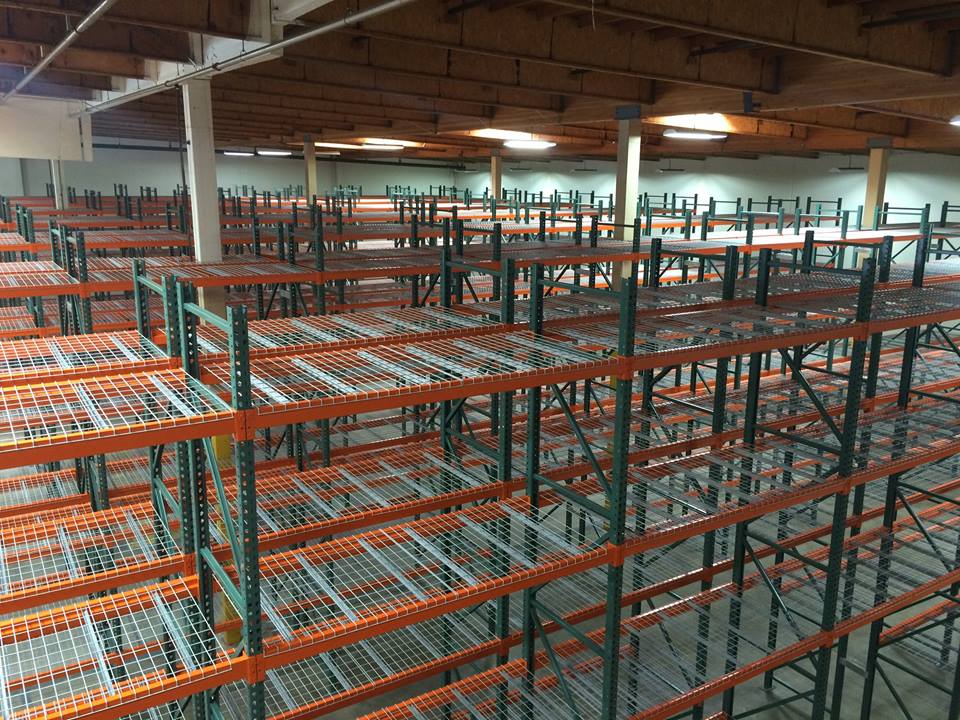
Every pallet reachable, every time. The baseline we size everything else against.
View details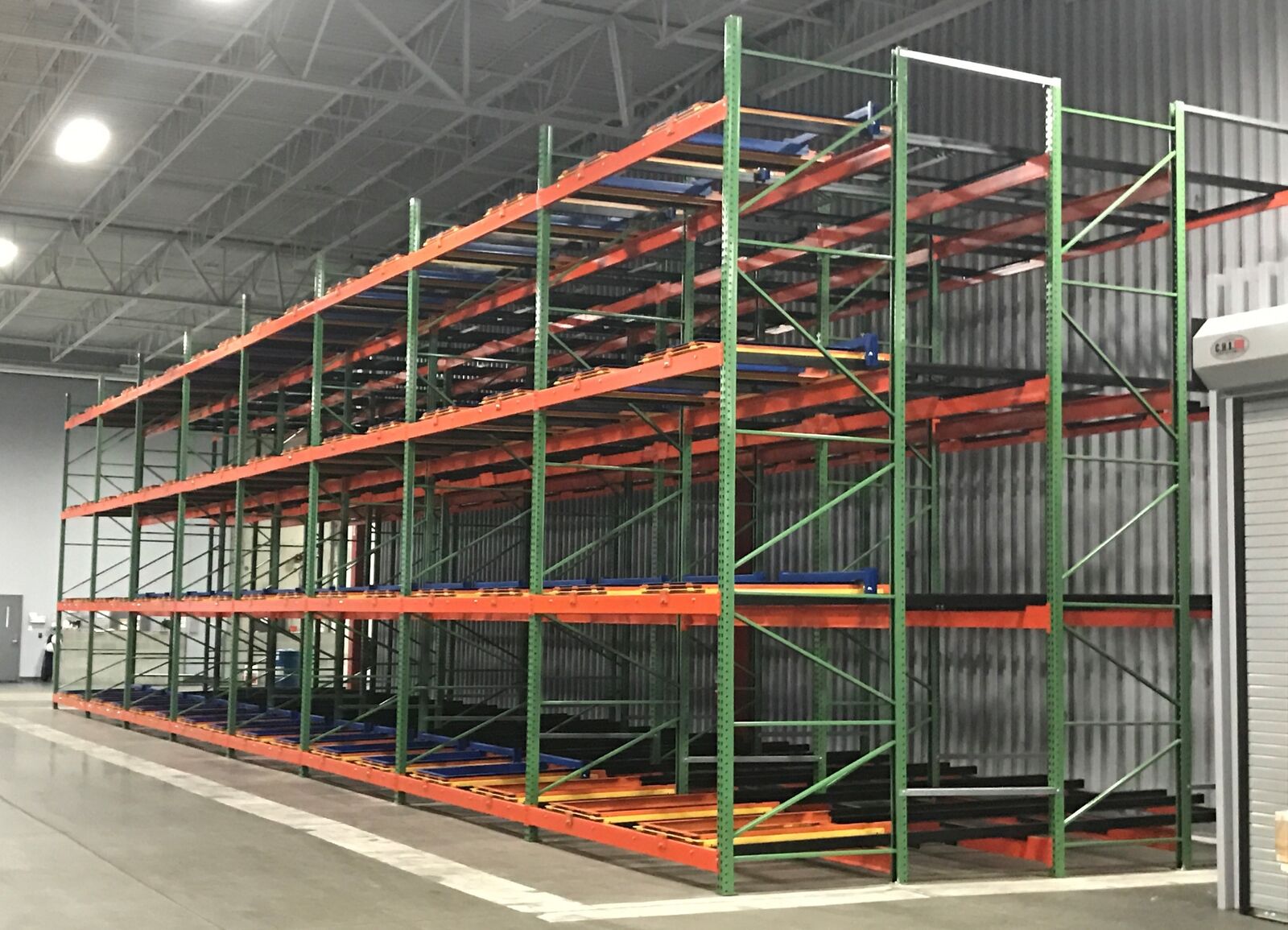
Pushback Rack
Two to six pallets deep from one aisle, without giving up much reach.
View details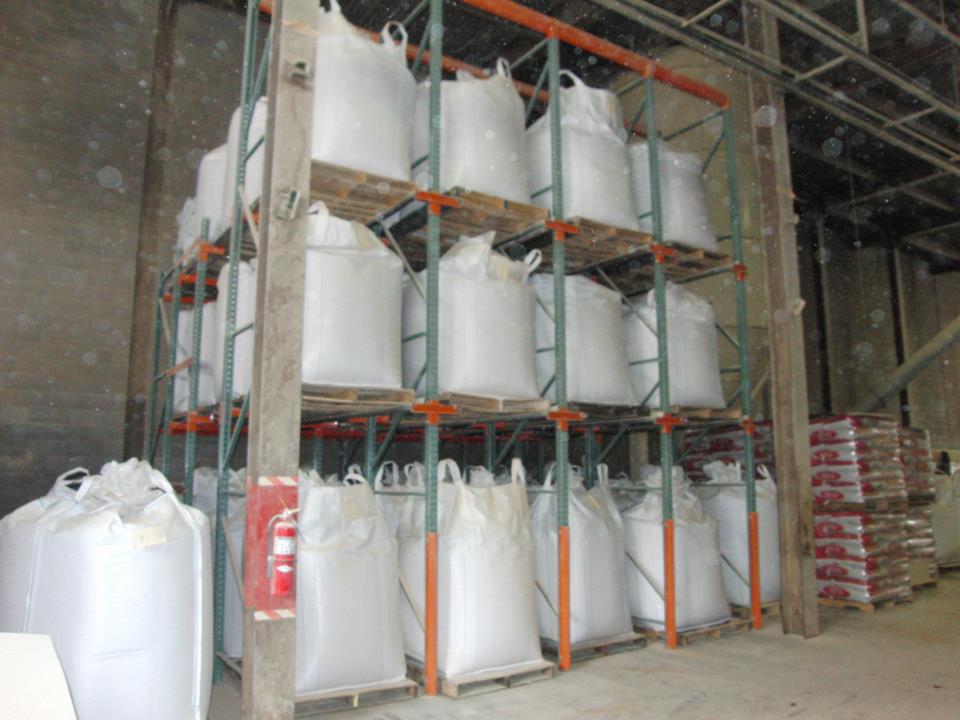
Drive-In Rack
Deep storage lanes replace interior access aisles; the forklift enters the structure to handle bulk pallets.
View details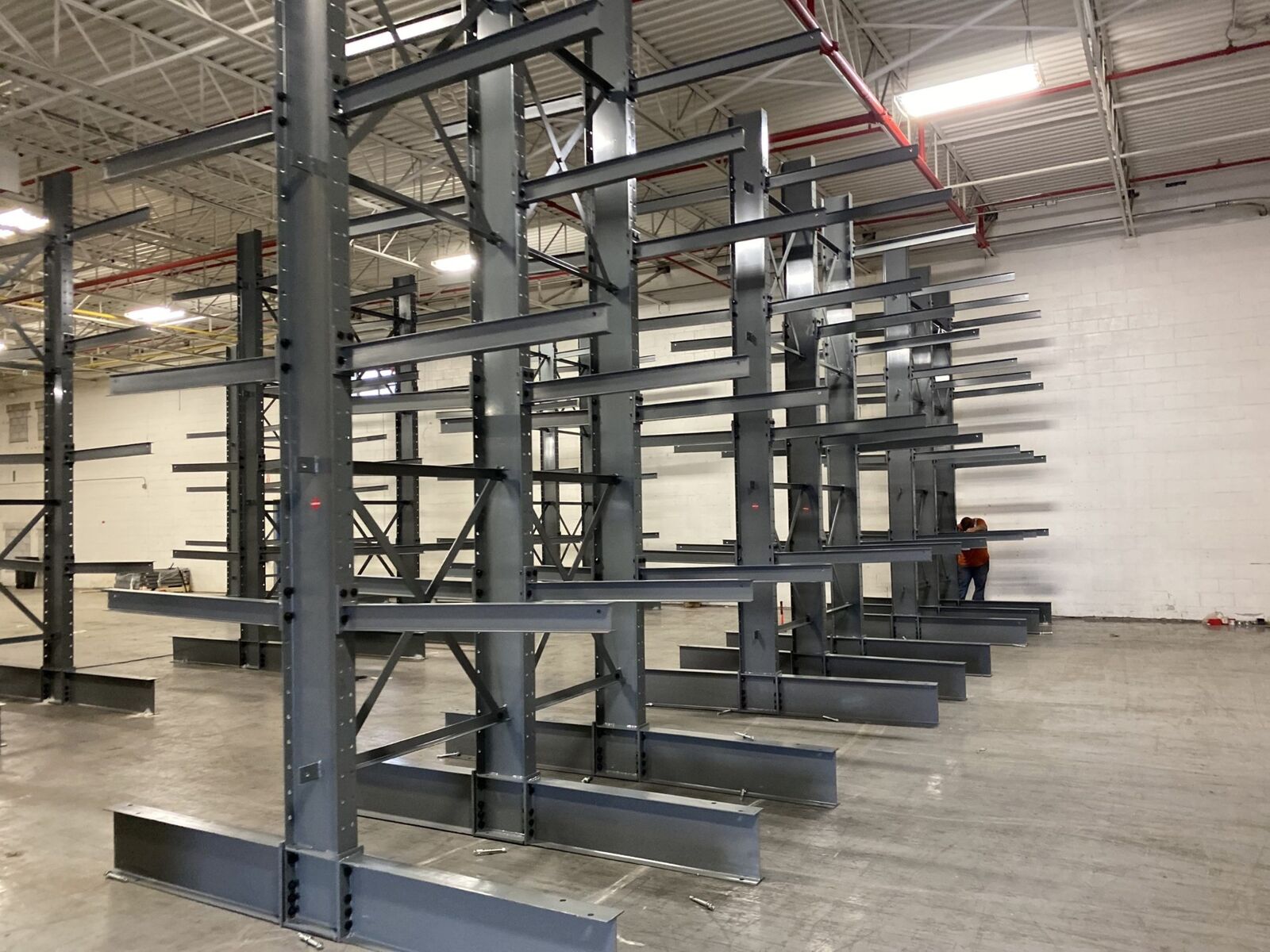
Cantilever Rack
Arms with nothing in front of them, built for lumber, pipe, and anything a pallet can't hold.
View details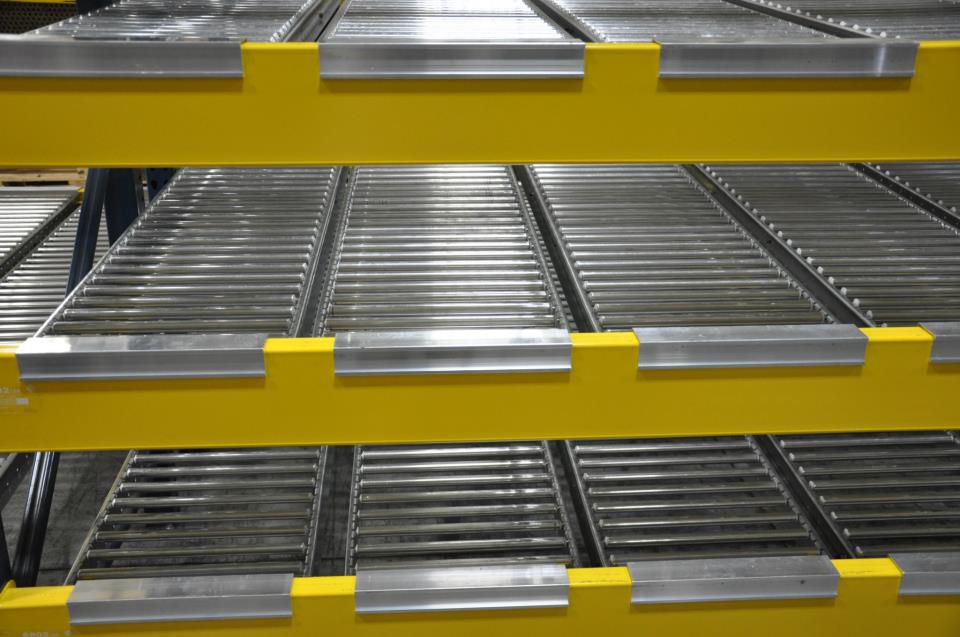
Carton Flow Rack
Cases advance to the picker instead of the picker hunting for cases.
View detailsWarehouse Relocation
Tear down, label, coordinate transport and reinstall your warehouse storage around the next building's layout.
View detailsNearby Areas We Also Serve
We also discuss South Sound distribution layouts connected through I-5 and SR-18.
Where We Work
Located in Seattle's industrial area, we serve the entire Puget Sound region with industrial pallet racks and warehouse storage solutions.
Seattle Pallet Racks
Address
6727 Martin Luther King Jr Way S
Ste M #1036
Seattle, WA 98118
Phone
(206) 984-1601Business Hours
Monday - Friday: 8:00 AM - 6:00 PM
Saturday: Closed
Sunday: Closed
Need Pallet Flow Rack in Federal Way?
Plan rotation around your busiest dispatch periods.