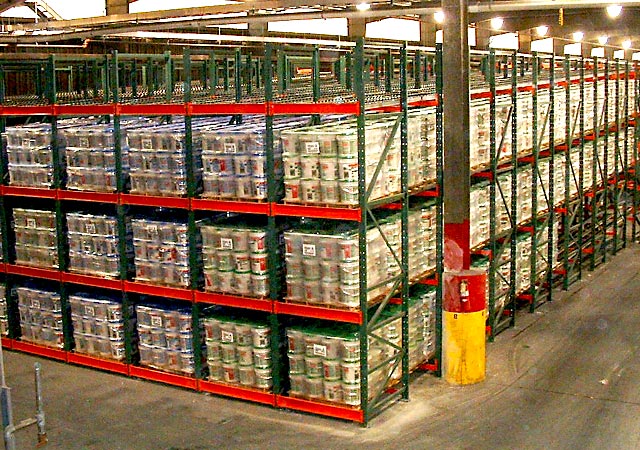
Pallet Flow Rack in Fife, WA
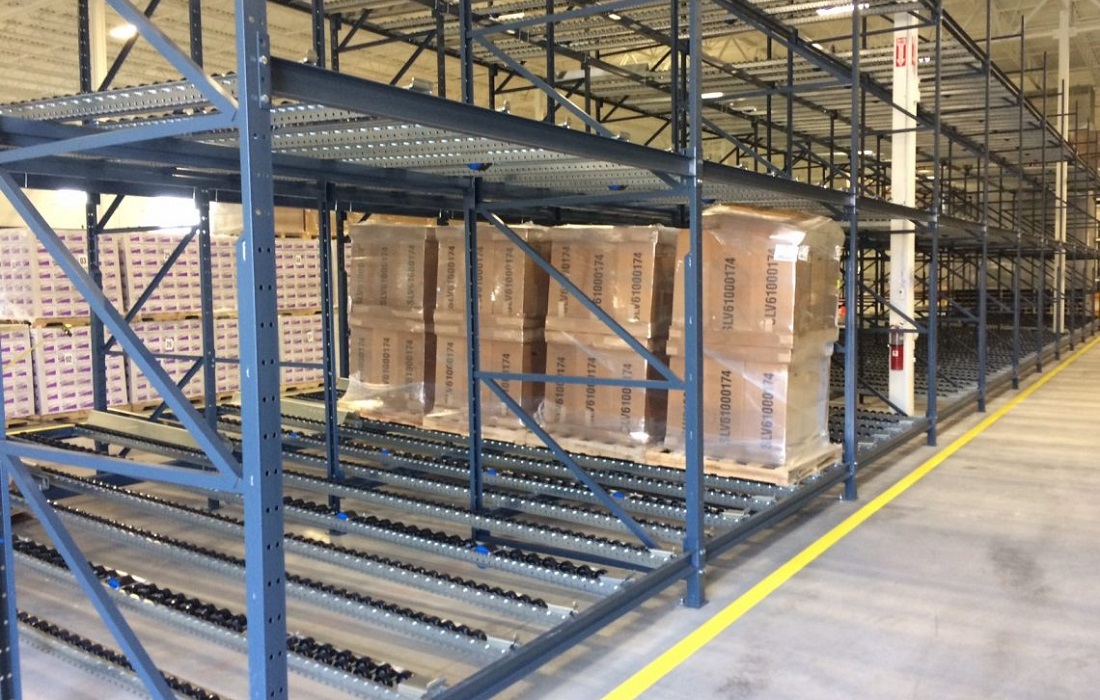
Pallet flow rack in Fife can give incoming freight a storage path that does not compete with outbound picking. Gravity rollers carry pallets from the loading face toward an opposing withdrawal face. For dated food or recurring import lines, this supports FIFO while keeping replenishment activity behind the active picks.
Container arrivals do not necessarily match customer demand. A large receipt can fill long lanes quickly, yet leave the wrong assortment available for shipping. We examine receiving batches, pallet condition and SKU withdrawal patterns together before deciding whether deeper storage serves the operation.
Pallet Flow Racking Starts With Inbound Variation
Imported shipments can bring different pallet footprints, runner arrangements and load weights for apparently similar products. Those differences affect roller contact and movement. Sampling actual inbound pallets helps determine whether loads can enter the proposed lanes directly or require a separate handling decision before storage.
Lane length should follow expected inventory by SKU, not the largest container receipt. Excessive depth can leave space trapped behind slow stock while faster products run short of pick faces. Compare normal receipts with peak arrivals and identify where temporary staging remains necessary.
This division serves under Warehouse Equipment & Supplies Co., whose warehouse-equipment business has been supplying and installing systems since 1997. We develop the proposal around receiving realities, including pallet inspection space, brake speed control and access for handling equipment at each end.
Design Beyond the Container Arrival
Along Pacific Hwy E, warehouse layouts need to preserve internal routes serving busy freight doors. At the Port of Tacoma approach, a 3PL handling import receipts may need staging for pallet inspection before stock enters roller lanes. Neither situation benefits from treating every open area as reserve storage.
Gravity Flow Rack Must Earn Its Aisle Space
An older warehouse with 20–28 feet of clear height presents a different layout opportunity from a newer 32–40-foot building. Available height does not resolve dock congestion or create access behind a row. Level spacing and lane count still depend on load dimensions, truck reach and usable routes. A Free Design Consultation can identify where inbound pallet variation changes the proposed roller specification.
Pallet flow rack favors repeated products requiring ordered withdrawal. Pushback may fit reserve stock better when a single aisle is essential and last-in, first-out handling is acceptable. Mixed customer inventory with only one pallet per item may need direct-access storage instead of dedicated deep lanes.
FIFO also requires clear lane assignments and date identification. If expiration order differs from arrival order, receiving must direct the appropriate lot into the appropriate lane. Include roller assemblies, supporting structure, brake devices and specified separators in the written scope rather than comparing position counts alone. Experienced installers are scheduled and managed through the agreed receiving and staging plan.
Fife storage servicesPallet flow system optionsCompare pushback in FifeCase picking in Fife
Specify Pallet Flow Rack From Receipt to Release
The receiving profile sets the starting point. A lane specification then connects pallet support, controlled travel and withdrawal access into one handling sequence.
Document incoming loads
Collect pallet dimensions, underside photographs and weight ranges from representative receipts, noting damaged boards and differences between suppliers serving the warehouse.
Allocate lanes by demand
Compare batch sizes with shipment frequency, reserving enough separate lanes for active SKUs rather than assigning depth from receipt volume alone.
Coordinate rollers and brakes
Select support geometry and speed control together, then establish lane pitch and length around the lightest and heaviest intended loads.
Check release behavior
Evaluate representative loaded travel and leading-pallet withdrawal, confirming that the following load remains controlled while the operator clears the picking position.
Pallet Flow Rack System Details
Request a Receiving-Led Storage Review
Bring your receipt profile and building plan to a pallet flow rack discussion. Include supplier pallet differences so the proposed equipment reflects inbound freight, not an assumed standard. Reach us at (206) 984-1601.
Seattle Pallet Racks
6727 Martin Luther King Jr Way S
Ste M #1036
Seattle, WA 98118
(206) 984-1601Monday - Friday: 8:00 AM - 6:00 PM
Questions From Import and Distribution Buyers
Other Warehouse Storage Services in Fife
Pallet Rack
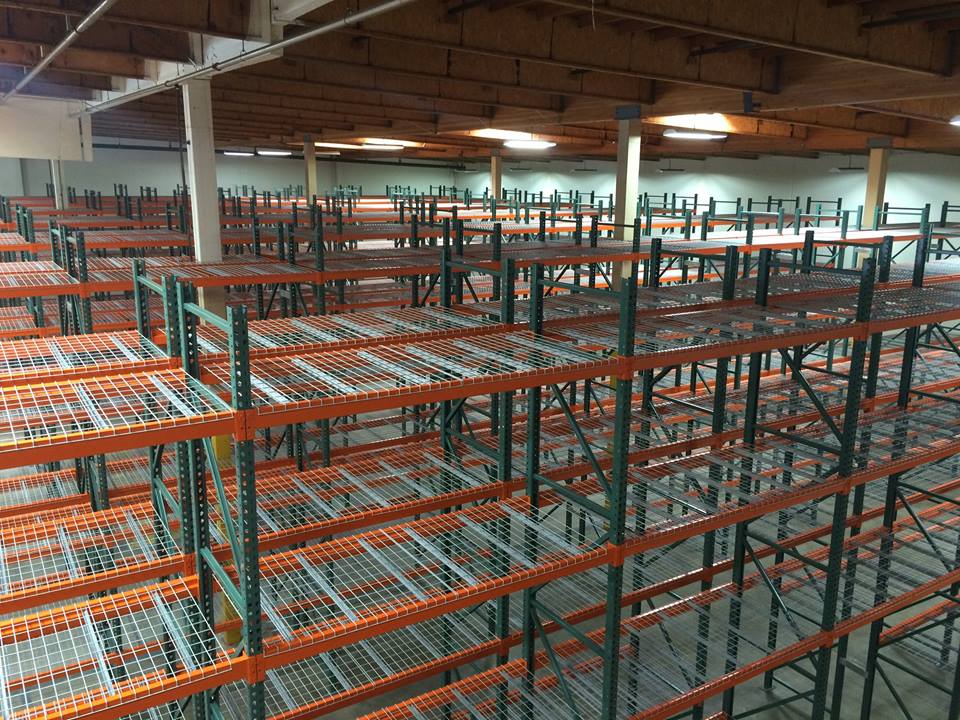
Every pallet reachable, every time. The baseline we size everything else against.
View details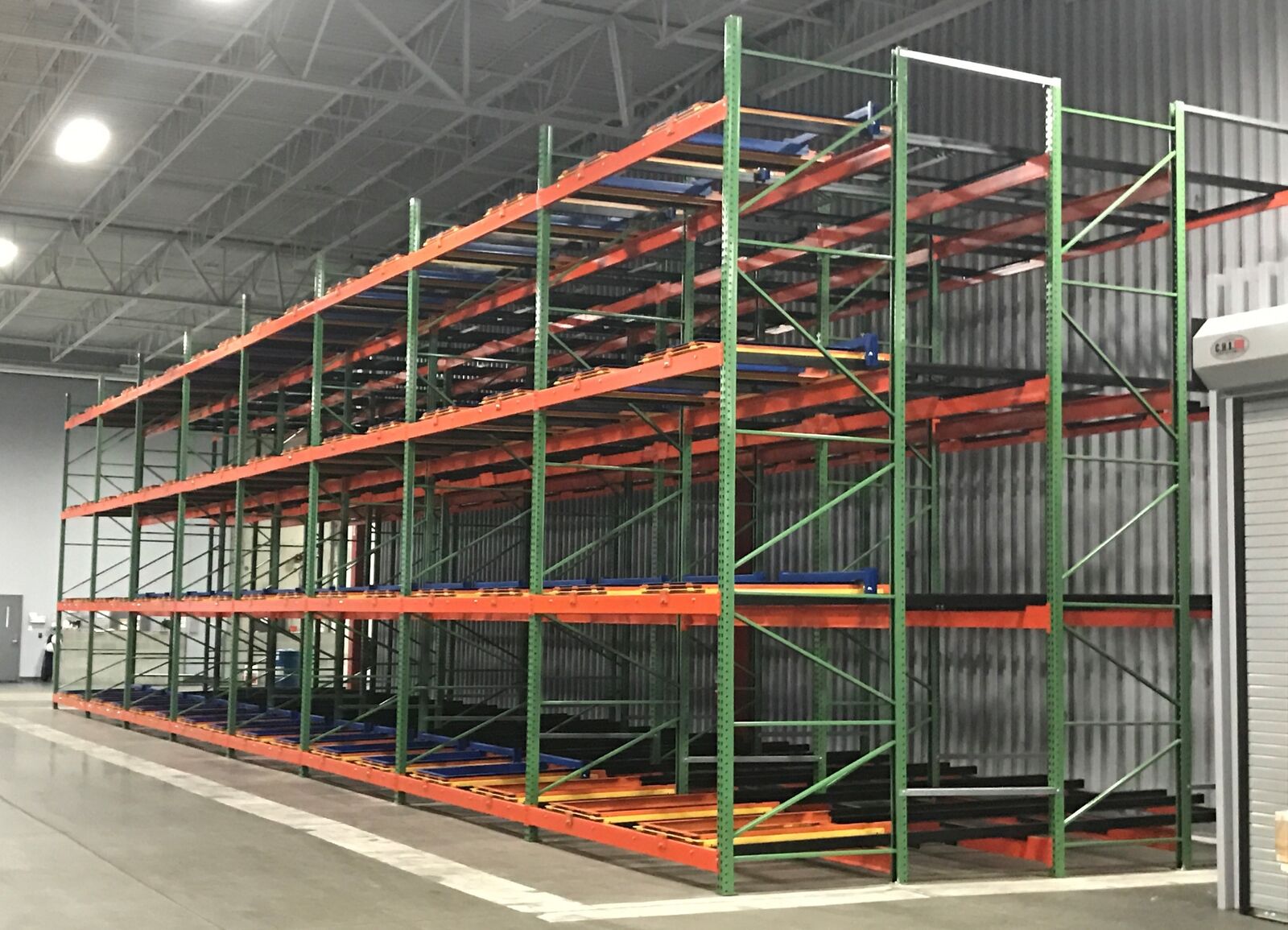
Pushback Rack
Two to six pallets deep from one aisle, without giving up much reach.
View details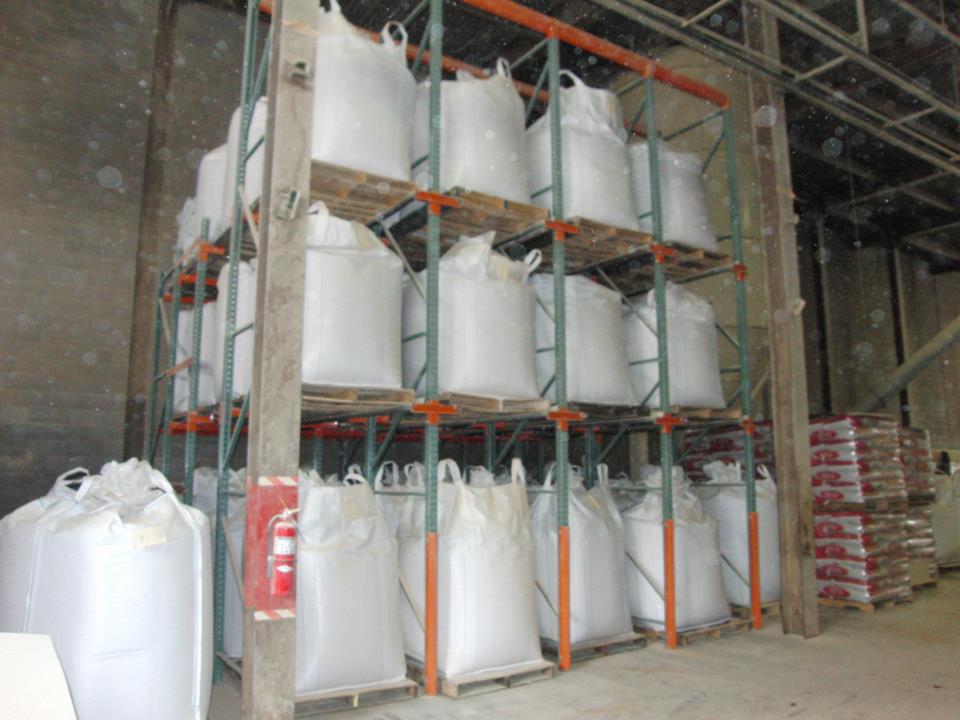
Drive-In Rack
Deep storage lanes replace interior access aisles; the forklift enters the structure to handle bulk pallets.
View details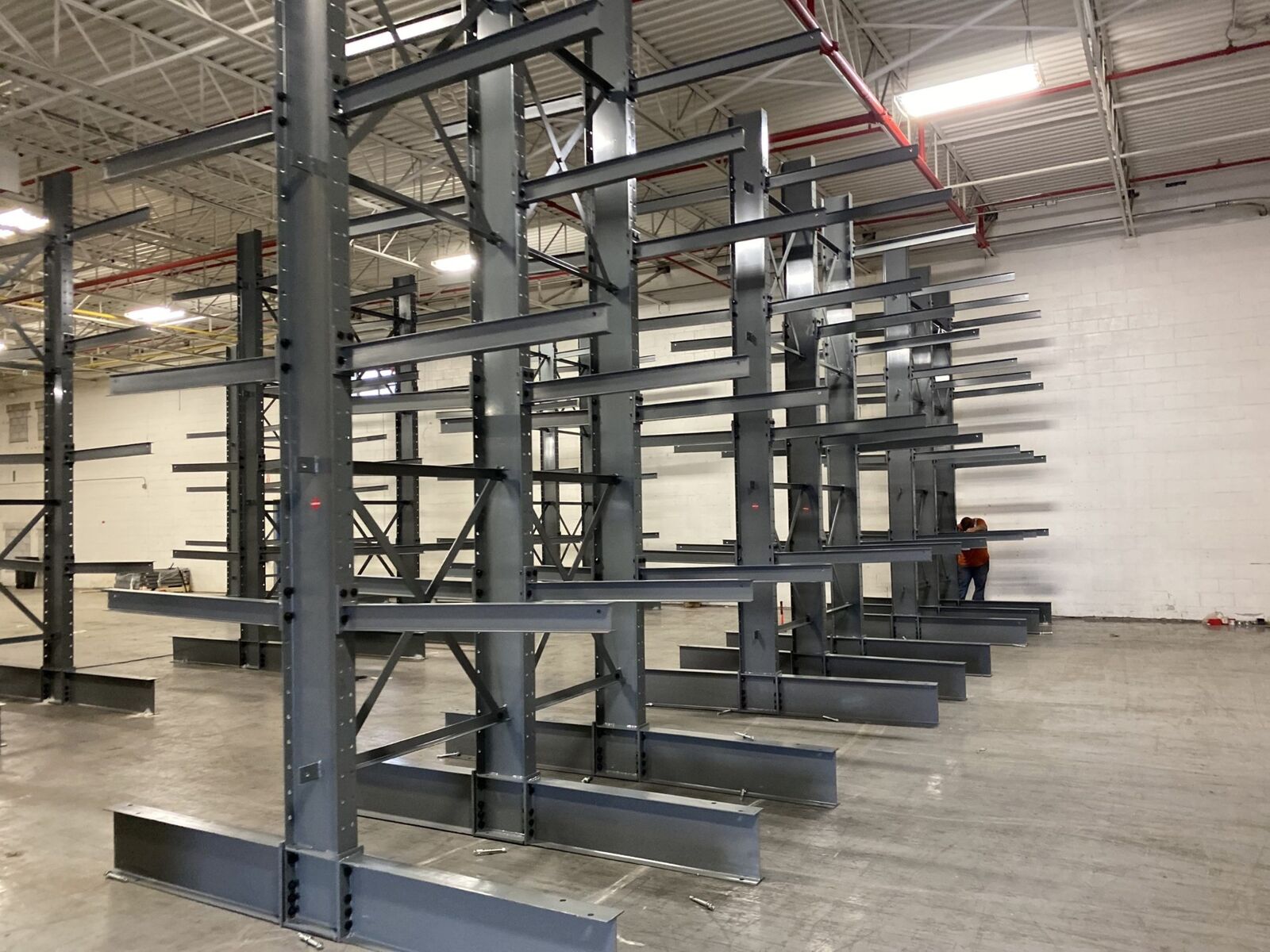
Cantilever Rack
Arms with nothing in front of them, built for lumber, pipe, and anything a pallet can't hold.
View details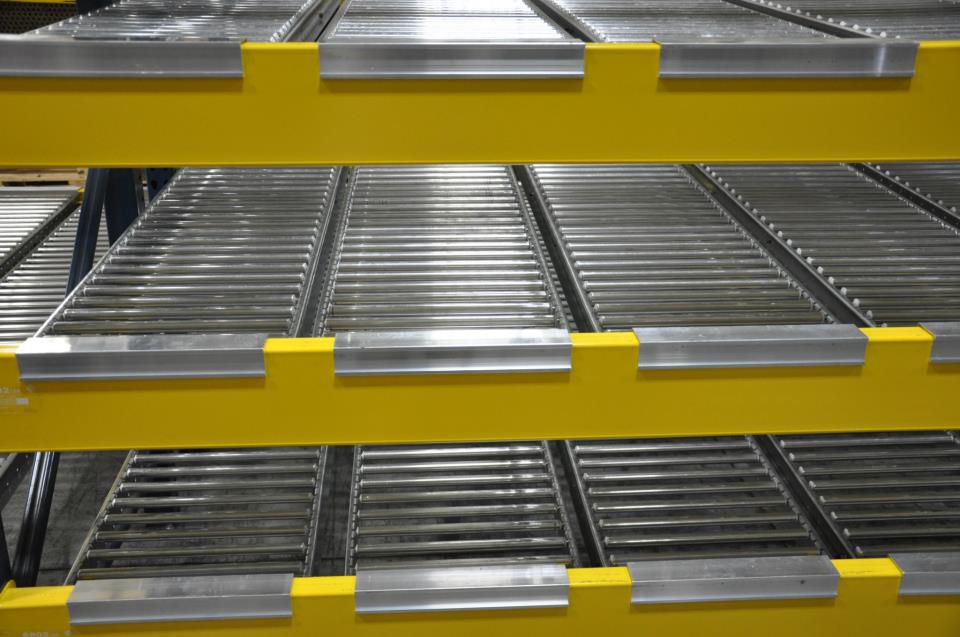
Carton Flow Rack
Cases advance to the picker instead of the picker hunting for cases.
View detailsWarehouse Relocation
Tear down, label, coordinate transport and reinstall your warehouse storage around the next building's layout.
View detailsNearby Areas We Also Serve
Our planning also considers freight routes linking I-5, SR-509 and the Tacoma Tideflats.
Where We Work
Located in Seattle's industrial area, we serve the entire Puget Sound region with industrial pallet racks and warehouse storage solutions.
Seattle Pallet Racks
Address
6727 Martin Luther King Jr Way S
Ste M #1036
Seattle, WA 98118
Phone
(206) 984-1601Business Hours
Monday - Friday: 8:00 AM - 6:00 PM
Saturday: Closed
Sunday: Closed
Need Pallet Flow Rack in Fife?
Match storage lanes to the freight you receive.