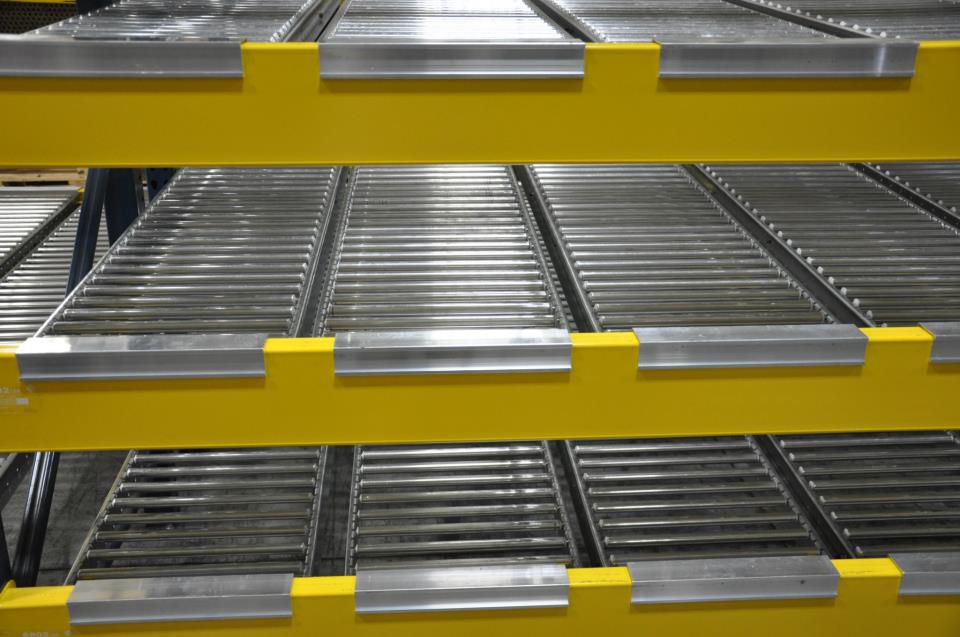
Carton Flow Rack in Redmond, WA
Carton flow rack in Redmond brings component cases and compatible totes toward a consistent front pick position on inclined rollers. Staff replenish from behind, allowing the layout to distinguish refill activity from assembly selection. The right arrangement starts with how your containers travel and how your team identifies the material needed for each build.
Technology hardware and precision assembly operations often need several small inventory groups close to workstations. Rather than making every lane equally wide or deep, we examine case footprints, consumption patterns, and reserve handling. That creates a basis for selecting modules without assuming that every component benefits from gravity presentation.
Carton Flow Rack Decisions for Changing Components
First-in, first-out movement follows from loading at the rear and removing the leading container at the front. It still depends on staff using the designated sequence. If component revisions or separate lots must not mix, assign lanes and identification rules that preserve those distinctions throughout replenishment.
A pallet-bay retrofit requires more than fitting a module between uprights. Supports, connections, existing rack condition, and loads elsewhere in the assembly need a whole-system review. Neither the allowable weight nor the appropriate lane dimensions can be assumed from the appearance of another installation.
Carton flow racking should be evaluated as case-level equipment, not as a smaller version of pallet-flow storage for complete pallets. Pushback may serve reserve inventory elsewhere, but it has a different access pattern. Keeping reserve and active picking separate helps define what each proposed storage area must accomplish.
Redmond storage servicesCase-picking system optionsCompare pushback in RedmondFull-pallet rotation in Redmond
Select Carton Flow Rack Modules by Packaging Behavior
Roller tracks, supports, lane dividers, and front stops work together as a module. Lane widths must accommodate the handling unit without encouraging misalignment; pitch needs evaluation using representative containers instead of a universal setting applied across the assortment.
Trace component demand
Identify cases feeding each assembly activity, note replenishment quantities, and distinguish sealed stock from containers that remain open during component picking.
Arrange the faces
Lay out front picking levels and rear refill access with attention to bench positions, label sightlines, and the surrounding staff routes.
Trial the packaging
Observe representative cases and totes over the proposed rollers, checking pitch, divider spacing, container tracking, and contact at the pick end.
Validate the support
Assess the rack assembly and combined stored loads, confirming how modules connect before treating an existing pallet bay as a suitable host.
Carton Flow Racking Around the Assembly Route
Our planning conversation follows the material from reserve storage to the lane and onward to the bench. That reveals where replenishment may cross a kitting walkway or where an open case needs better presentation. It also identifies products that should stay in another storage format because their packaging does not travel suitably.
Warehouse Equipment & Supplies Co. is the parent company of our division. We have been supplying and installing storage equipment since 1997, bringing that perspective to component-picking projects as well as broader warehouse layouts. The goal is a clear equipment scope grounded in your inventory rather than a standard assortment of modules.
A Free Design Consultation gives you a way to examine lane options before settling the purchase. Experienced installation crews are scheduled and managed, with access, staging, and placement discussed against the agreed plan. We also clarify what packaging and rack information must be confirmed before the proposed configuration moves forward.

Connect Willows Industrial Storage With Overlake Workflows
Willows Industrial and Overlake provide settings where storage may sit beside hardware work or light assembly. A plan should distinguish working components from reserve stock while preserving staff circulation, especially where a flex unit combines warehouse functions with other occupied areas.
Carton Flow Rack System Details
Show Us How Components Reach the Bench
Bring your case list, existing rack details, and a floor sketch marking benches and replenishment routes. We can discuss the module arrangement against that working picture. Call (206) 984-1601.
Seattle Pallet Racks
6727 Martin Luther King Jr Way S
Ste M #1036
Seattle, WA 98118
(206) 984-1601Monday - Friday: 8:00 AM - 6:00 PM
Redmond Component Storage Questions
Other Warehouse Storage Services in Redmond
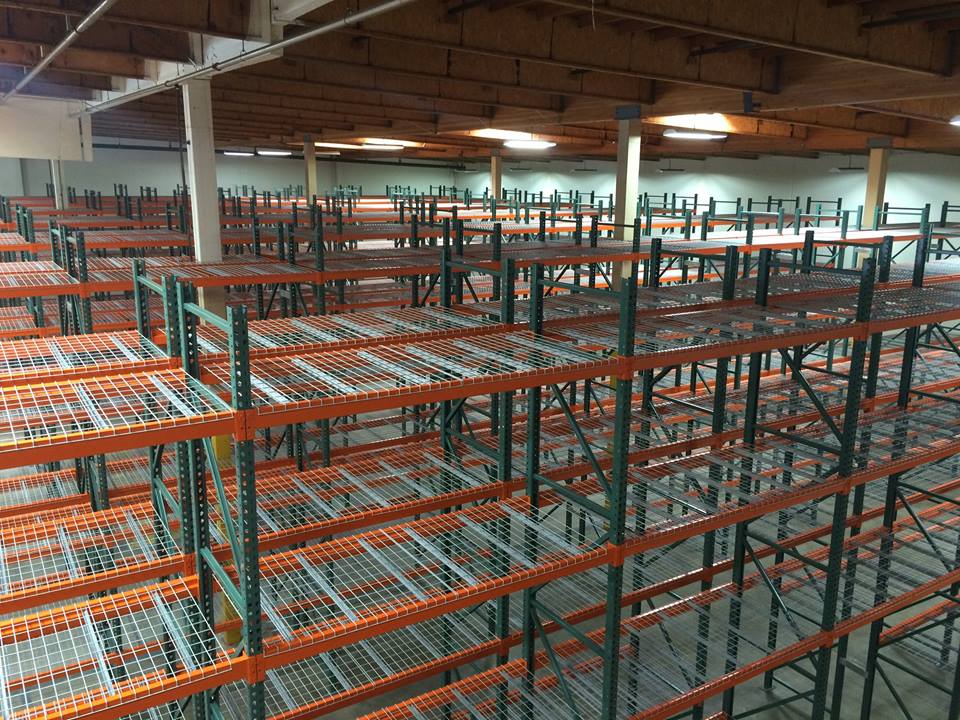
Pallet Rack
Every pallet reachable, every time. The baseline we size everything else against.
View details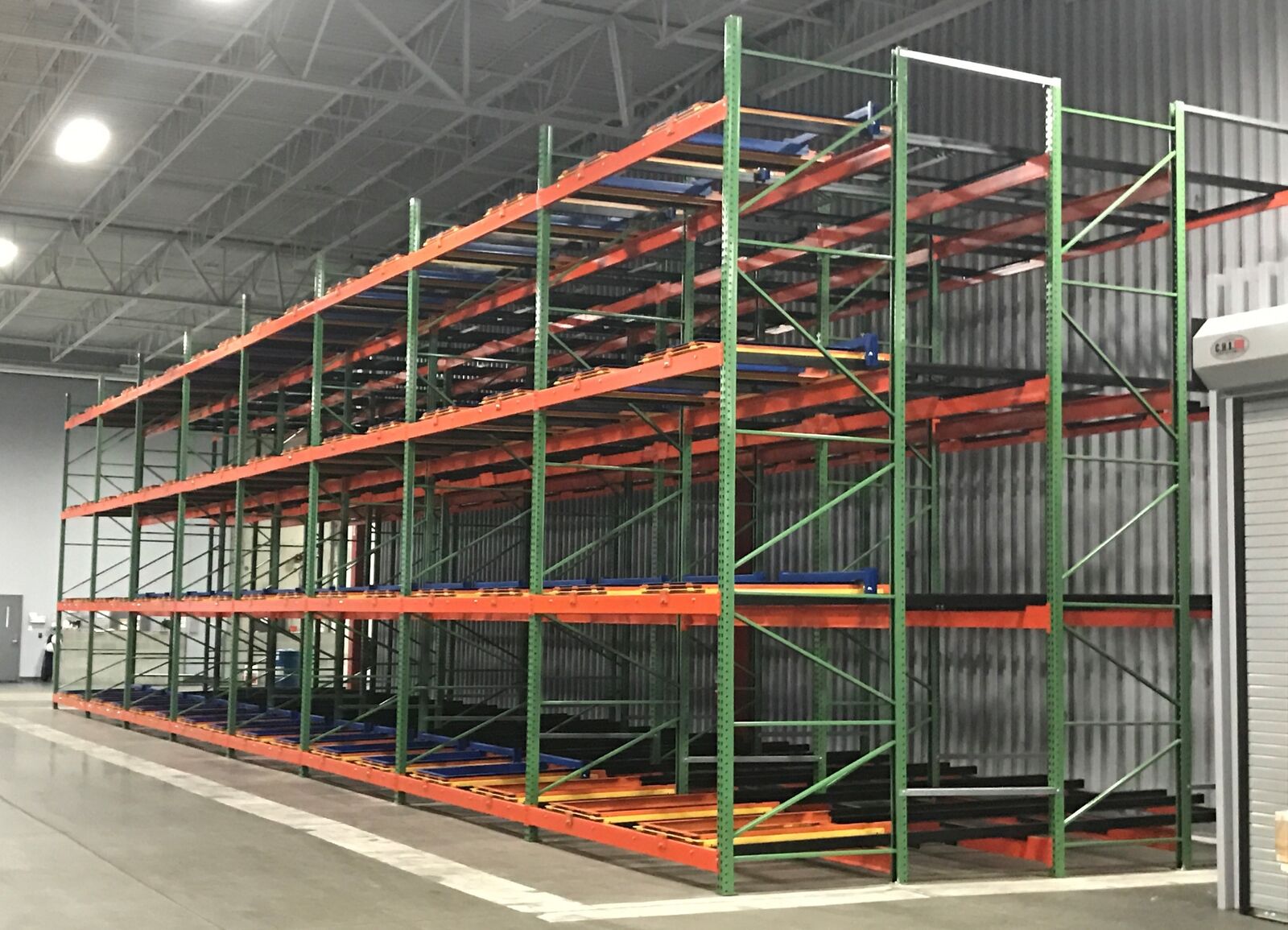
Pushback Rack
Two to six pallets deep from one aisle, without giving up much reach.
View details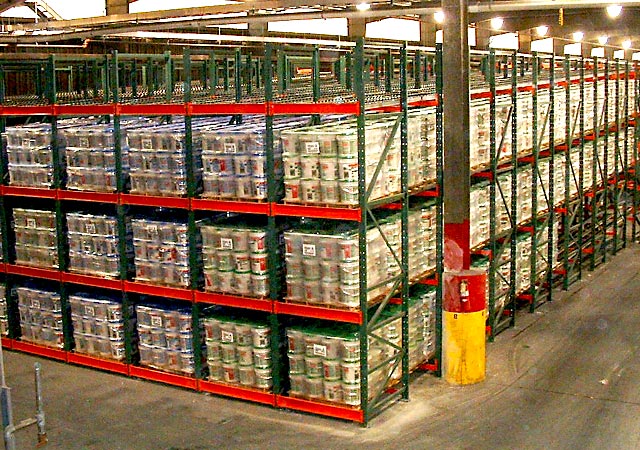
Pallet Flow Rack
Load one side, pick the other, and let gravity enforce first in, first out.
View details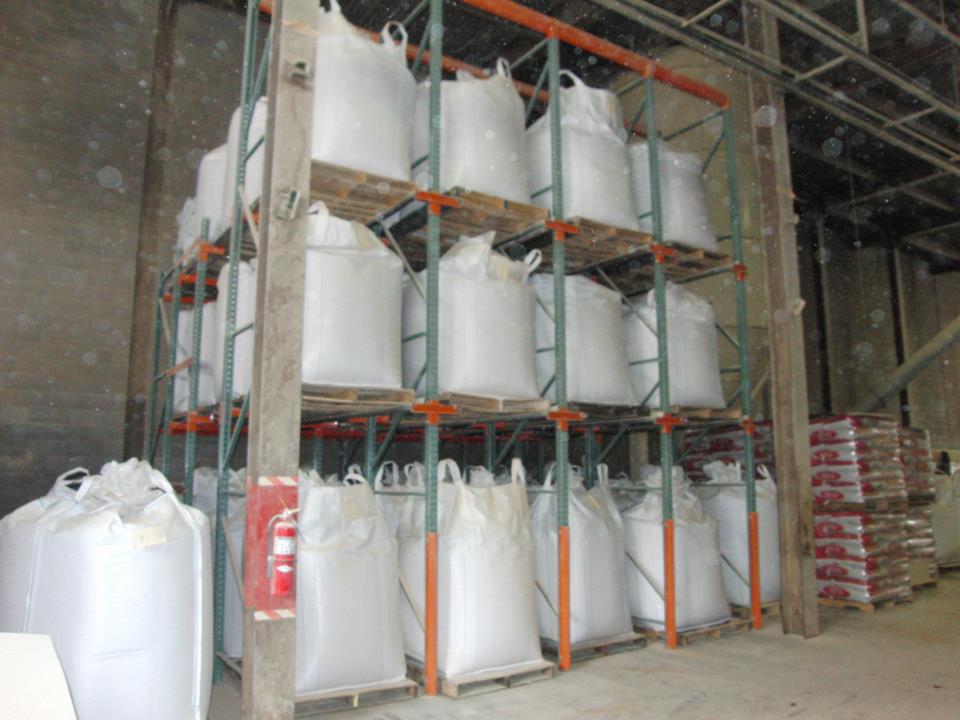
Drive-In Rack
Deep storage lanes replace interior access aisles; the forklift enters the structure to handle bulk pallets.
View details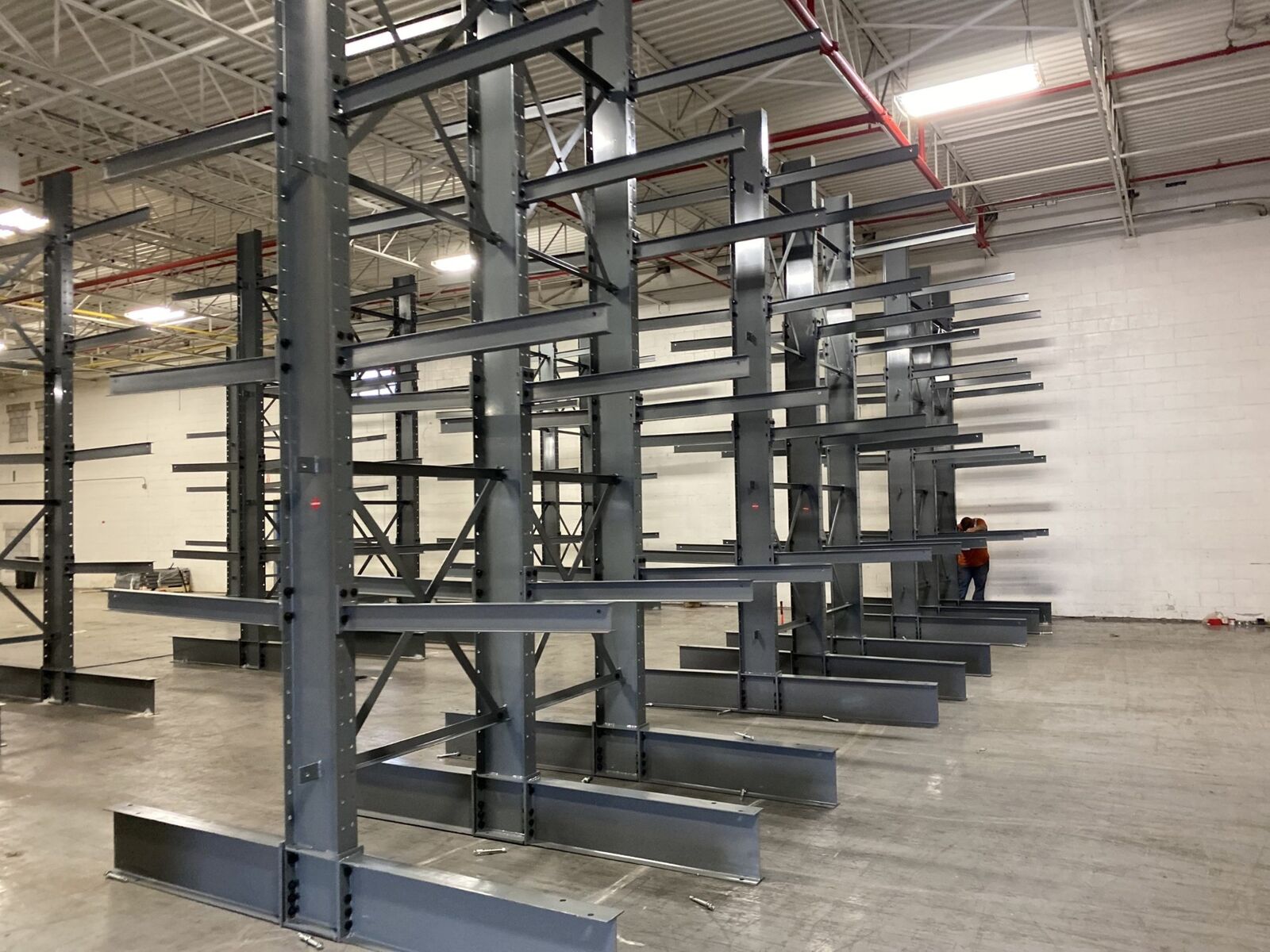
Cantilever Rack
Arms with nothing in front of them, built for lumber, pipe, and anything a pallet can't hold.
View detailsWarehouse Relocation
Tear down, label, coordinate transport and reinstall your warehouse storage around the next building's layout.
View detailsNearby Areas We Also Serve
We can also discuss neighboring Eastside facilities where component storage must fit alongside production.
Where We Work
Located in Seattle's industrial area, we serve the entire Puget Sound region with industrial pallet racks and warehouse storage solutions.
Seattle Pallet Racks
Address
6727 Martin Luther King Jr Way S
Ste M #1036
Seattle, WA 98118
Phone
(206) 984-1601Business Hours
Monday - Friday: 8:00 AM - 6:00 PM
Saturday: Closed
Sunday: Closed
Need Carton Flow Rack in Redmond?
Match the lane arrangement to the way your team builds and replenishes.