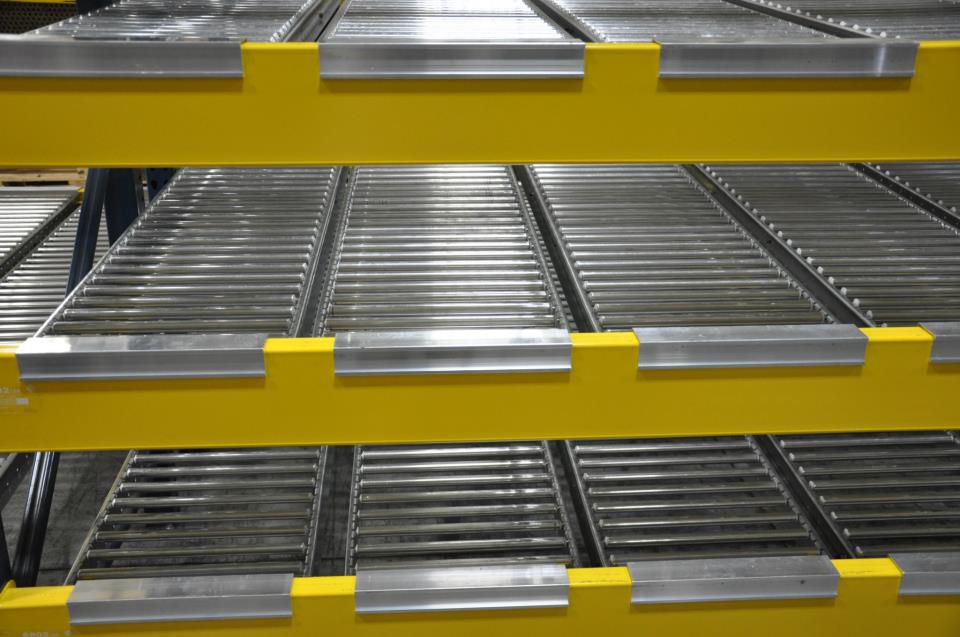
Carton Flow Rack in Seattle, WA
Carton flow rack in Seattle presents cases or totes on inclined rollers, with picking at the front and replenishment from the rear. Gravity advances the next container, keeping reserve cartons behind an accessible picking face.
For food distribution and e-commerce fulfillment, the starting point is the package itself. Carton bottoms, changing weights and order quantities determine whether a lane will feed consistently through everyday picking.
Specify carton flow racking around the package
We examine the cartons operators actually handle rather than selecting modules from outside dimensions alone. Soft bases, taped seams and partly emptied cases can behave differently on rollers. Testing representative samples helps establish roller spacing, lane width and dividers before the layout becomes an equipment list.
A useful picking face balances active item count with replenishment access. We compare lane depth against stock movement, then consider reach, label visibility and the room needed to remove a case. Adding depth without checking those details can leave the next item awkward to retrieve.
Seattle Pallet Racks operates as a division of Warehouse Equipment & Supplies Co.; its parent has been supplying and installing warehouse equipment since 1997. We manage experienced installation personnel against an agreed scope, including staging arrangements and the sequence for making picking positions available.

Separate picking from incoming stock
SODO food operations may need dated cases kept in sequence, while Georgetown e-commerce picking can involve many active items. In either setting, receiving stock needs a deliberate route to the replenishment face.
Test the carton flow rack configuration
The review connects container behavior with the complete bay arrangement, not just the roller insert being purchased.
Record package variation
Measure the smallest and largest containers, noting base condition, loaded weight and how packaging changes after operators open each case.
Trial the working slope
Run actual cartons through proposed lanes, adjusting slope and guides to assess advancement, hesitation and presentation at the front stop.
Check the whole bay
Review module supports, beam positions and combined loading across the proposed configuration, including any pallet storage retained above the picking levels.
Agree the operating handoff
Confirm rear loading access, front picking clearance and lane identification, then review replenishment practice with the people using the completed arrangement.
Define the case flow rack installation scope
A retrofit into a pallet bay begins with the existing rack identification and its proposed loading. Module fit alone does not establish suitability. We review supports, connections and the load check for the whole configuration before confirming which components belong in the proposal.
Dividers need enough clearance for carton variation without allowing containers to turn across lanes. Roller tracks must support the package base, and front stops must suit the picking method. The specification also distinguishes picking complete cases from removing individual items from open cartons. For order-picking speed, compare the route from each face to packing and the interruptions caused by refilling, rather than assuming rollers alone settle the result.
Full pallet flow moves unit loads rather than individual cases; pushback holds pallets replenished and retrieved from one face. Neither replaces the package-level presentation of carton flow rack. Where reserve pallets remain part of the arrangement, their handling must stay separate from manual picking.
Seattle storage servicesCase-picking system optionsCompare pushback in SeattleFull-pallet rotation in Seattle
Carton Flow Rack System Details
Discuss your Seattle carton flow rack plan
Request a Free Design Consultation with package samples, bay measurements and picking requirements. Call us at (206) 984-1601.
Seattle Pallet Racks
6727 Martin Luther King Jr Way S
Ste M #1036
Seattle, WA 98118
(206) 984-1601Monday - Friday: 8:00 AM - 6:00 PM
Questions before ordering
Other Warehouse Storage Services in Seattle
Pallet Rack
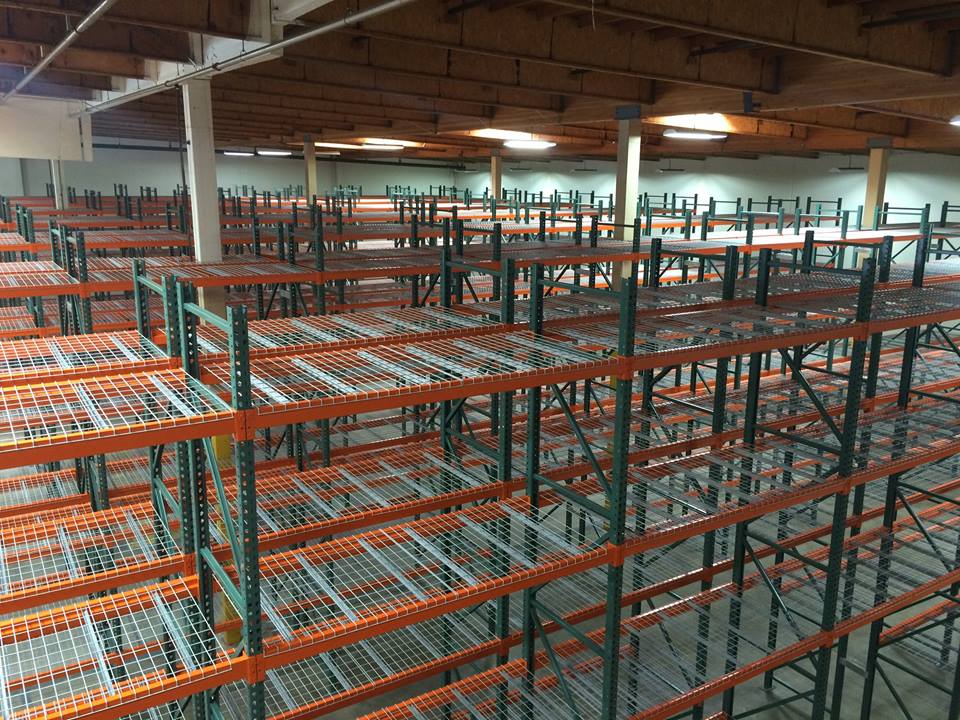
Every pallet reachable, every time. The baseline we size everything else against.
View details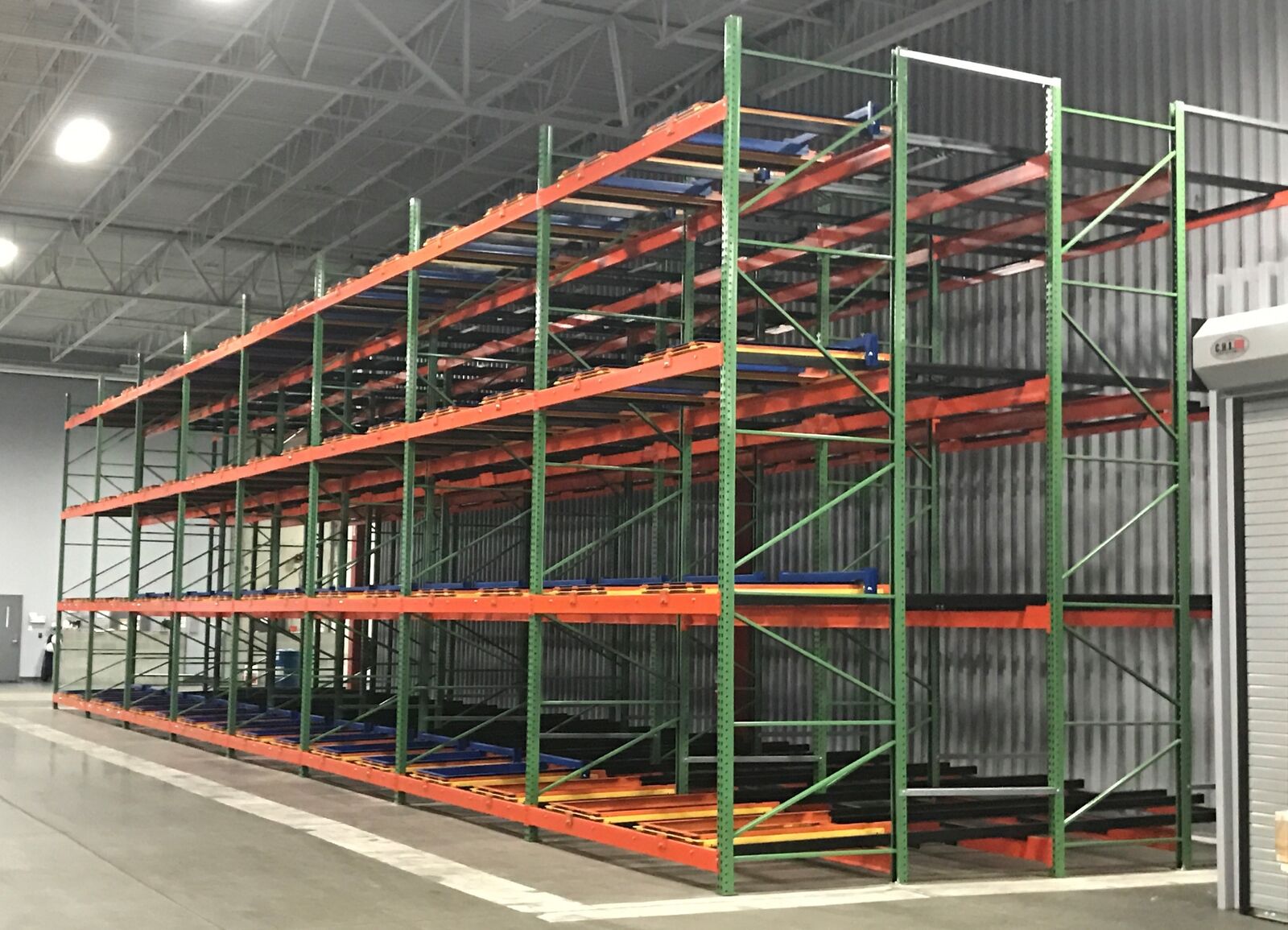
Pushback Rack
Two to six pallets deep from one aisle, without giving up much reach.
View details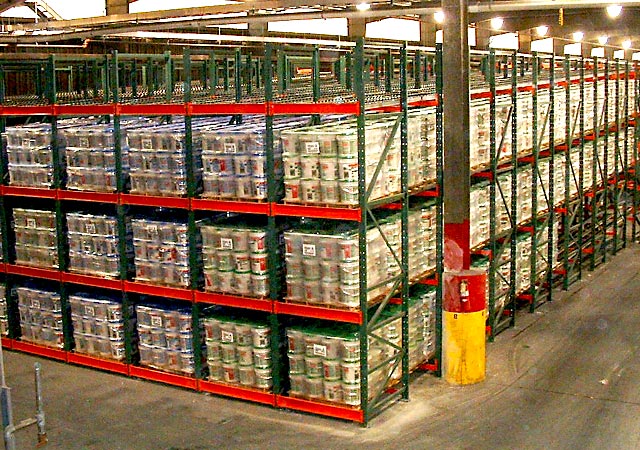
Pallet Flow Rack
Load one side, pick the other, and let gravity enforce first in, first out.
View details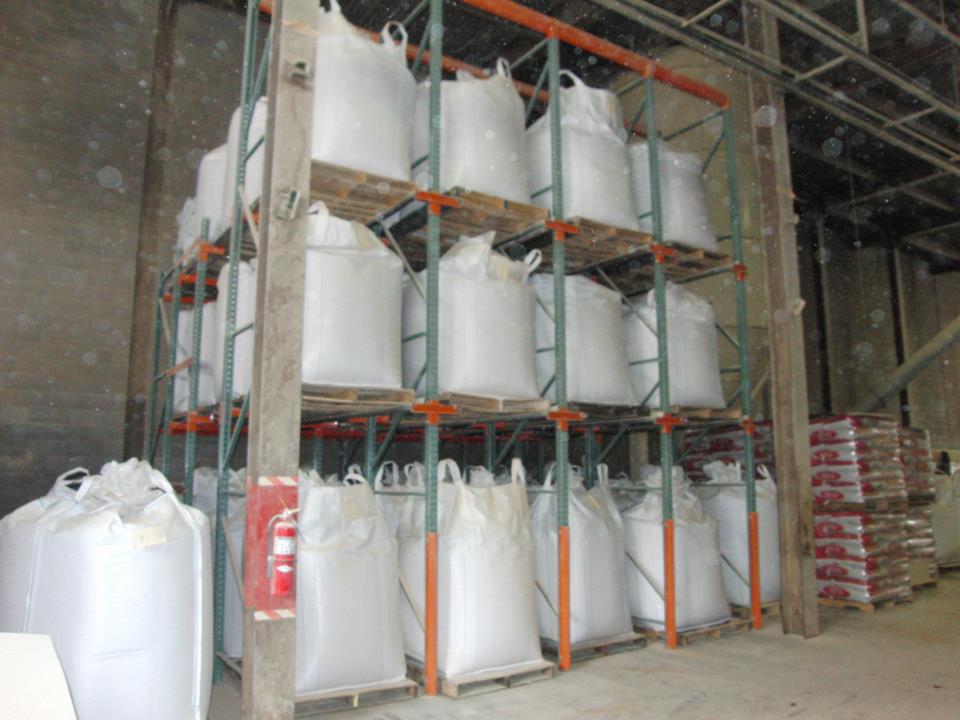
Drive-In Rack
Deep storage lanes replace interior access aisles; the forklift enters the structure to handle bulk pallets.
View details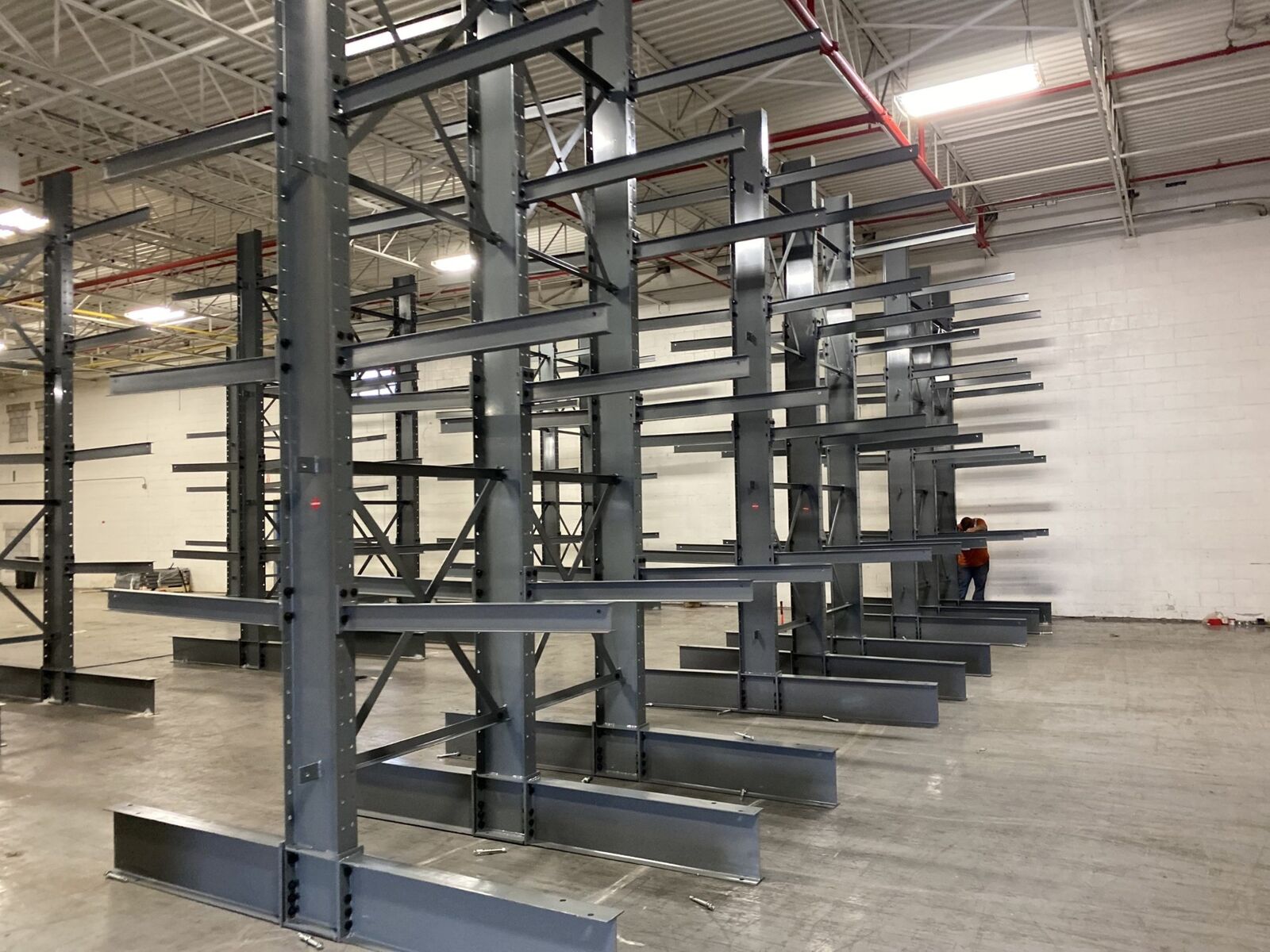
Cantilever Rack
Arms with nothing in front of them, built for lumber, pipe, and anything a pallet can't hold.
View detailsWarehouse Relocation
Tear down, label, coordinate transport and reinstall your warehouse storage around the next building's layout.
View detailsNearby Areas We Also Serve
Related storage areas can be reviewed alongside the main picking zone to clarify reserve-to-lane replenishment.
Where We Work
Located in Seattle's industrial area, we serve the entire Puget Sound region with industrial pallet racks and warehouse storage solutions.
Seattle Pallet Racks
Address
6727 Martin Luther King Jr Way S
Ste M #1036
Seattle, WA 98118
Phone
(206) 984-1601Business Hours
Monday - Friday: 8:00 AM - 6:00 PM
Saturday: Closed
Sunday: Closed
Need Carton Flow Rack in Seattle?
Discuss a picking layout grounded in your cartons, available space and replenishment method.