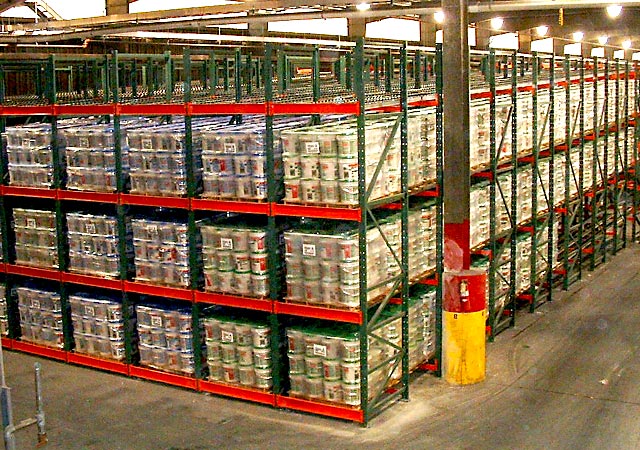
Pallet Flow Rack in Sumner, WA
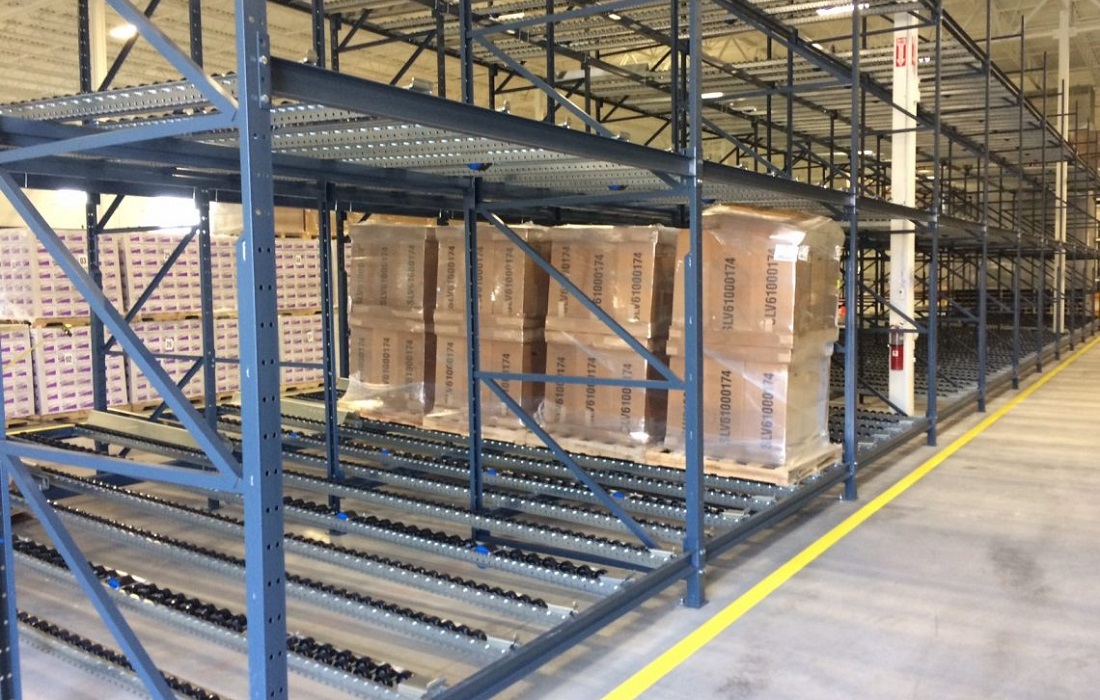
Pallet flow rack in Sumner can turn recurring bulk inventory into a controlled sequence of available picks. Pallets load at the rear, advance on gravity rollers and leave from the opposing face. This supports FIFO while giving replenishment and outbound handling separate working sides of the storage block.
Large receipts alone do not establish the right lane depth. A distribution building needs enough active faces to serve its SKU mix, plus sufficient capacity behind each face to bridge replenishment intervals. We compare those requirements before proposing deeper lanes or additional levels.
Configure Pallet Flow Rack Around Lane Behavior
Capacity planning must connect to controlled movement without assuming every pallet behaves alike. These checks turn demand figures into a defined lane arrangement.
Translate demand into lanes
Calculate recurring pallets per SKU and withdrawal frequency, allowing separate lanes where simultaneous lot access or replenishment patterns require additional faces.
Measure the load range
Document pallet footprint, runner orientation, underside condition and loaded weights, including the smallest regular loads rather than only fully loaded examples.
Coordinate travel components
Specify gravity rollers, lane pitch, usable length and braking devices together, so movement remains controlled across the intended range of loads.
Confirm working performance
Evaluate loaded advancement, front-pallet separation and withdrawal clearance with representative pallets before assigning routine inventory to the completed storage lanes.
Size Pallet Flow Racking for the Withdrawal Rhythm
Begin with a movement report covering ordinary demand and busier periods. Products that leave in repeated full-pallet quantities can justify dedicated lanes, especially when dates matter. Sporadic lines can occupy valuable depth without releasing positions quickly enough to support the rest of the assortment.
Several lanes for one fast seller may provide more useful picking capacity than a single extended lane. Conversely, excessive lane count can divide inventory into small fragments. The right balance depends on receipt quantities, shipment frequency and how staff assign lots during replenishment.
Since 1997, supplying and installing warehouse rack has been the work of Warehouse Equipment & Supplies Co., the parent company behind this division. We relate lane capacity to operating requirements, explaining the trade between storage depth, pick-face availability and the aisle space needed for opposing access.
Apply Bulk Capacity to the Building
In the East Valley Hwy corridor, bulk distribution layouts need replenishment aisles that do not consume shipping staging. Around the north industrial district, newer warehouse space may offer height without resolving pick-face demand. Lane planning should use that building space to serve the product mix, not merely maximize depth.
Protect FIFO Value in Gravity Flow Rack
FIFO is a lane sequence, not an automatic expiration management system. Receiving must identify lots and choose loading order deliberately. If a later delivery expires sooner, placing it behind existing stock can defeat the intended rotation even though the rollers function exactly as specified. In the Free Design Consultation, planned pallet positions are weighed against the number of usable distribution faces.
Pallet flow rack differs from pushback because loading and picking happen at opposite ends. Pushback can suit bulk reserve where one working face is preferable and last-in, first-out handling is acceptable. Compare the rotation benefit with the floor area required for two accessible faces.
Pallet condition remains an operating requirement after installation. Damaged boards, altered runners and unstable overhang need a defined response before loading. The written scope should identify supporting structure, roller assemblies, brake speed control and specified separation devices, with representative trials covering both light and heavy loads. Installation crews are experienced teams whose schedule and work we manage.
Sumner storage servicesPallet flow system optionsCompare pushback in SumnerCase picking in Sumner
Pallet Flow Rack System Details
Compare Capacity With Working Access
Provide a building drawing and SKU movement summary for your pallet flow rack proposal. Include current pallet photographs and the number of lots that must remain separately accessible. Discuss lane capacity at (206) 984-1601.
Seattle Pallet Racks
6727 Martin Luther King Jr Way S
Ste M #1036
Seattle, WA 98118
(206) 984-1601Monday - Friday: 8:00 AM - 6:00 PM
Distribution Planning Questions
Other Warehouse Storage Services in Sumner
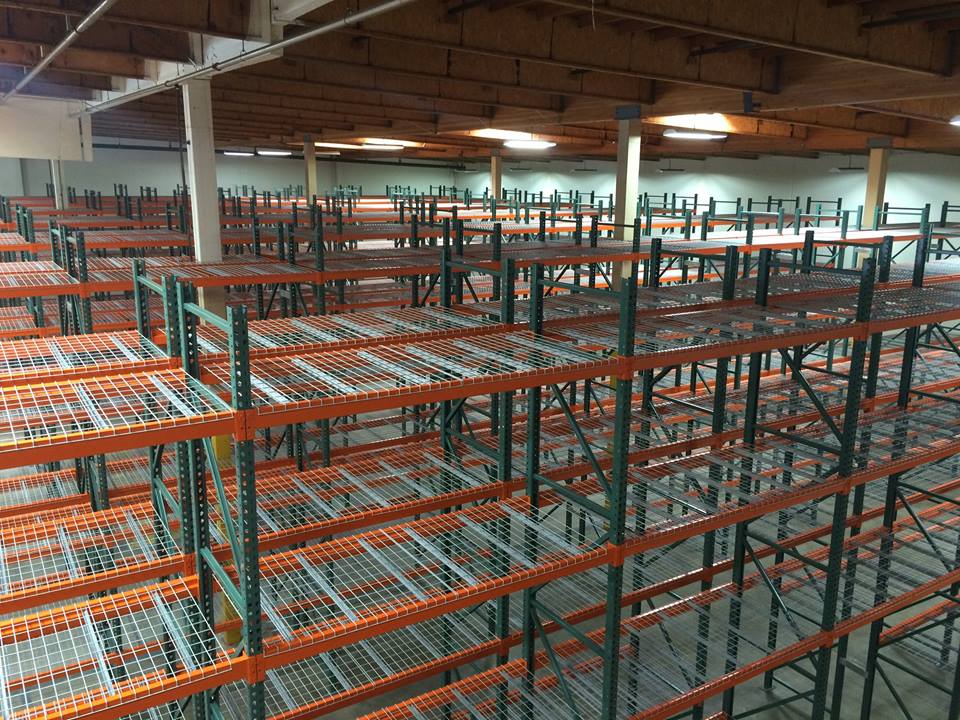
Pallet Rack
Every pallet reachable, every time. The baseline we size everything else against.
View details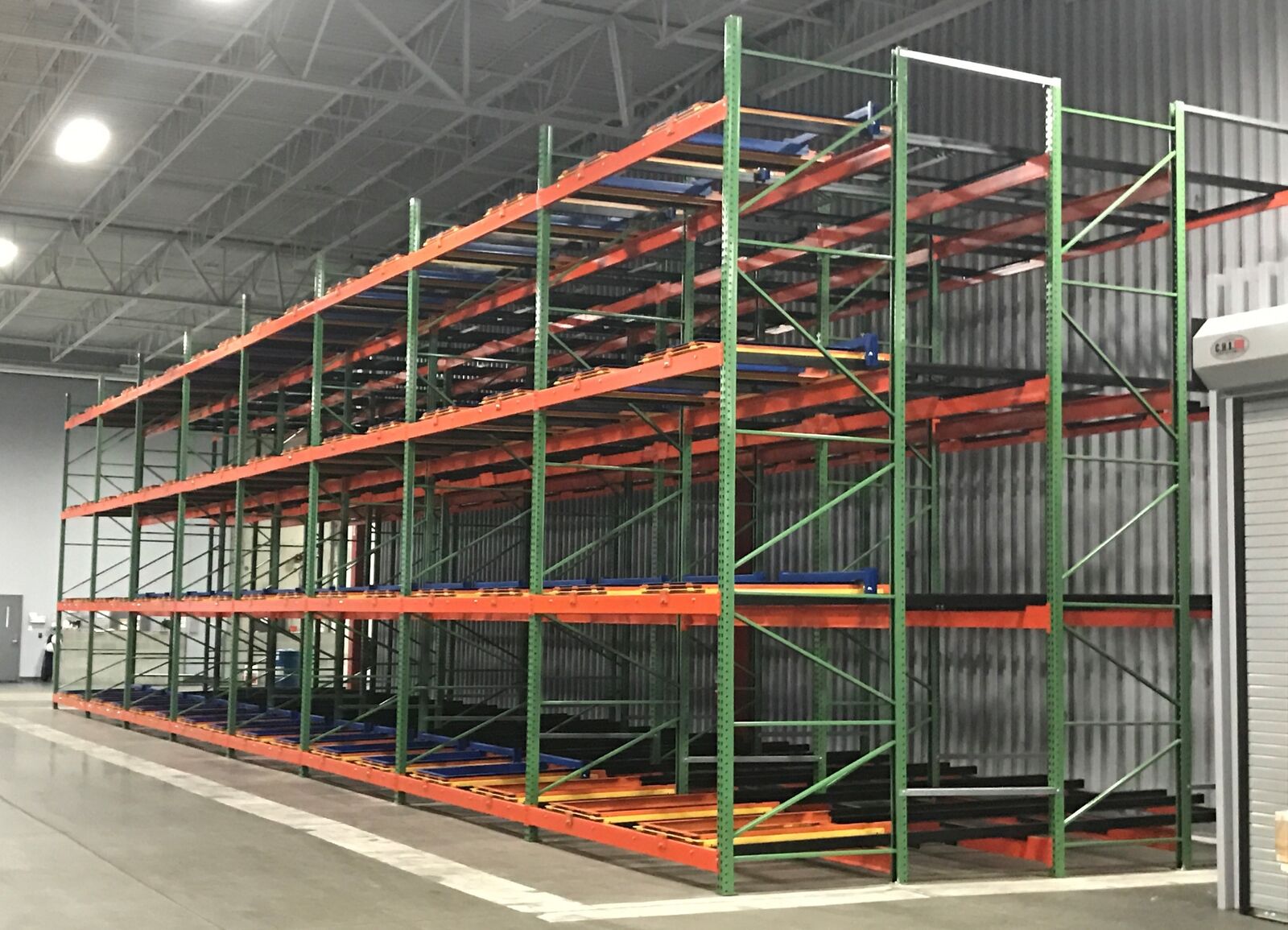
Pushback Rack
Two to six pallets deep from one aisle, without giving up much reach.
View details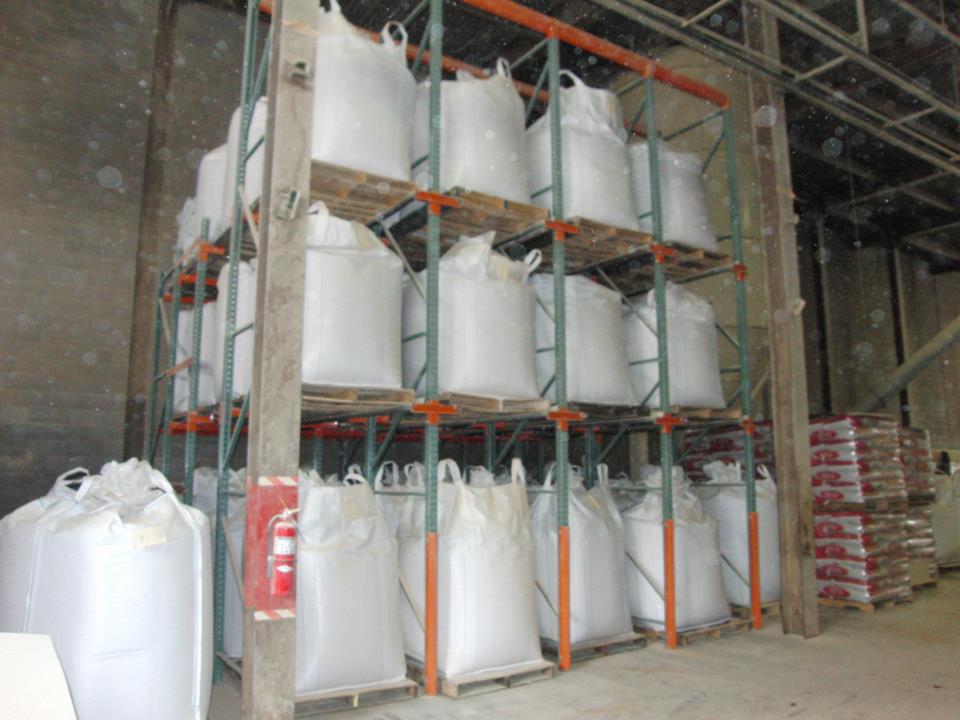
Drive-In Rack
Deep storage lanes replace interior access aisles; the forklift enters the structure to handle bulk pallets.
View details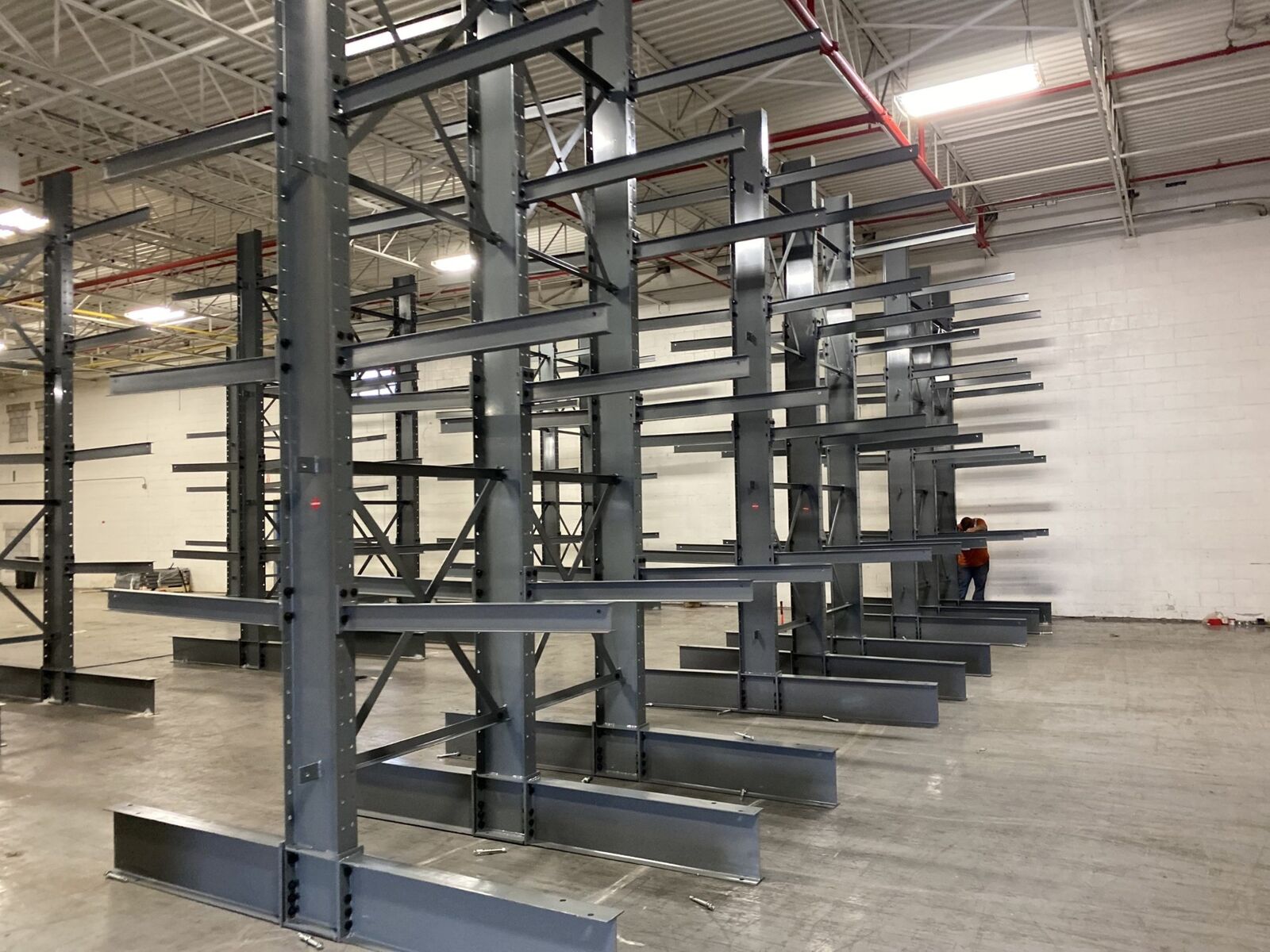
Cantilever Rack
Arms with nothing in front of them, built for lumber, pipe, and anything a pallet can't hold.
View details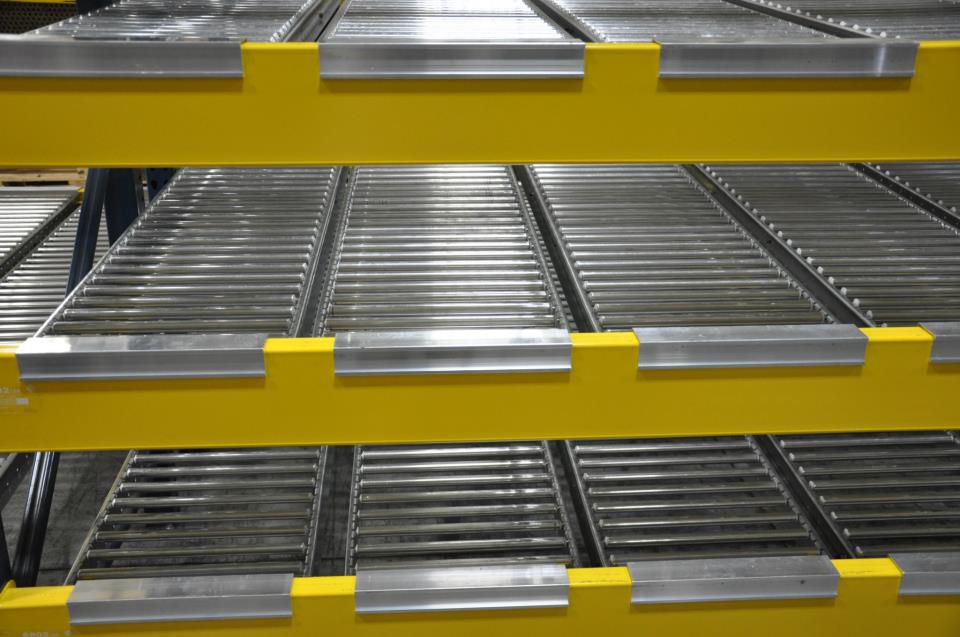
Carton Flow Rack
Cases advance to the picker instead of the picker hunting for cases.
View detailsWarehouse Relocation
Tear down, label, coordinate transport and reinstall your warehouse storage around the next building's layout.
View detailsNearby Areas We Also Serve
We also review distribution access connecting SR-167, SR-410 and nearby Pacific when planning receiving and shipping routes.
Where We Work
Located in Seattle's industrial area, we serve the entire Puget Sound region with industrial pallet racks and warehouse storage solutions.
Seattle Pallet Racks
Address
6727 Martin Luther King Jr Way S
Ste M #1036
Seattle, WA 98118
Phone
(206) 984-1601Business Hours
Monday - Friday: 8:00 AM - 6:00 PM
Saturday: Closed
Sunday: Closed
Need Pallet Flow Rack in Sumner?
Give every lane a clear inventory purpose.