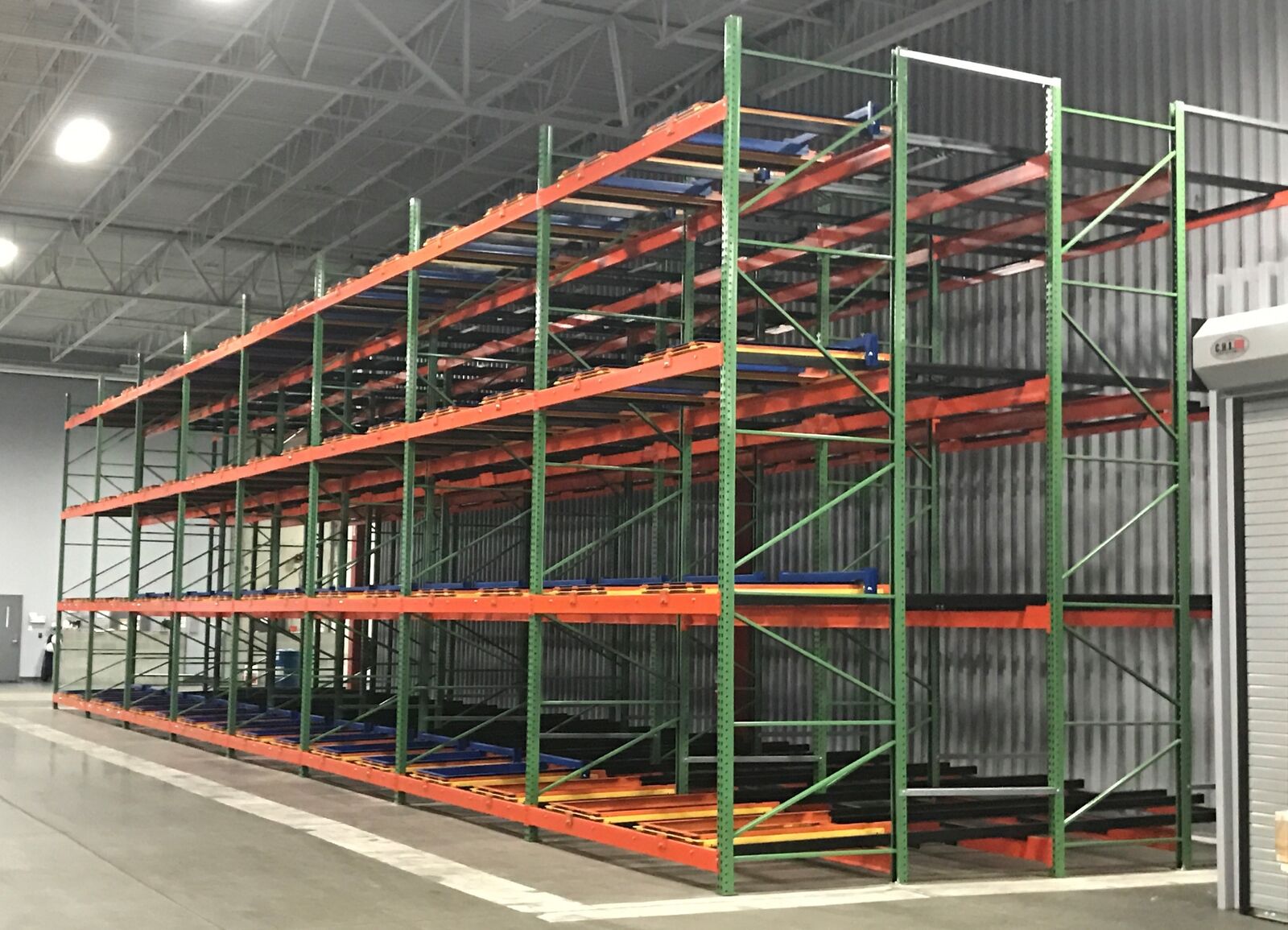
Pushback Rack in Sumner, WA
Pushback rack in Sumner gives bulk distributors a way to store repeat pallets deeper while serving each lane from one aisle. It suits reserve inventory that can follow last-in, first-out retrieval, rather than products requiring unrestricted access to every pallet.
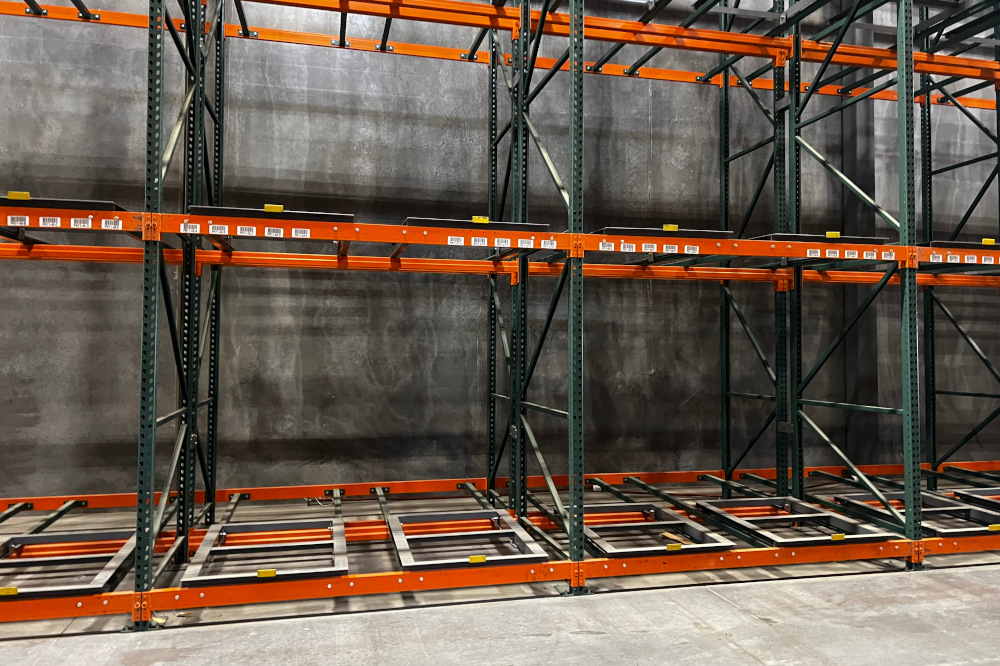
Nested carts travel along inclined rails in arrangements commonly ranging from two to six pallets deep. Incoming pallets push earlier loads rearward, and controlled removal at the front allows the remaining loads to advance toward the aisle. The forklift stays outside the storage lane while its operator follows the specified placement and withdrawal sequence.
Selecting pushback pallet rack depth and support
We develop the lane arrangement from stock movement, then check the components carrying that inventory. Position totals remain provisional until pallet compatibility and structural loading are established.
Measure recurring holdings
Use representative stock records to distinguish sustained bulk reserves from temporary receipt peaks that would leave deep lanes partly empty.
Allocate retrieval faces
Provide separate lanes where SKU identity, lot restrictions or dispatch frequency would otherwise bury the next pallet needed for shipping.
Specify carts and rails
Check pallet underside support, load overhang and nested-cart travel across the proposed two- to six-pallet storage depth.
Verify the rack arrangement
Establish beam and frame sizing against loaded lane demands, with beam capacity per pair at a level and frame capacity tied to beam spacing.
Push back racking beyond the position count
Heavier pallet capacity depends on the complete assembly, not a beam rating viewed alone. Rails, carts, connections and frames must be selected for assigned loads. The documentation should explain the reviewed frame configuration and applicable beam-pair capacity. Load plaques carry those established values rather than implying a single allowance for every pallet position.
An existing rack row cannot be assumed to accept a pushback rack system. Compatibility depends on connection geometry, structural condition, frame configuration and the proposed load distribution. Through a Free Design Consultation, we compare a reviewed conversion concept with a separate installation and identify information still needed. Teardrop appearance is not sufficient evidence that another assembly will fit.
Experienced installers are scheduled and managed through agreed delivery, staging and access arrangements. Operating guidance should address loading sequence and controlled withdrawal. We also compare selective storage for direct pallet access, drive-in storage where forklifts enter lanes, and pallet flow where FIFO is necessary. The preferred reserve method follows stock rotation and access needs, not the largest nominal total.
Sumner storage servicesPushback system optionsCompare drive-in in SumnerFull-pallet rotation in Sumner
Planning pushback rack around bulk quantities
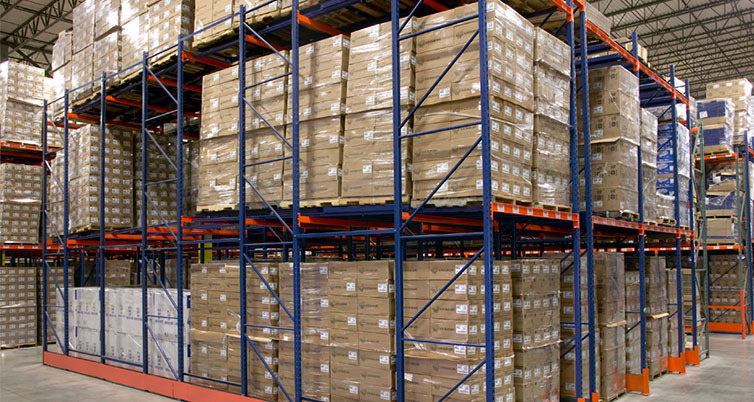
Large receipts do not automatically justify the deepest lane. We compare normal pallets per SKU, shipment sizes and stock drawdown to see how often positions remain occupied. Fewer aisles help only when the resulting storage depth stays useful throughout the inventory cycle. Include the quantities remaining before the next replenishment as well as the receipt itself.
Bulk distribution also needs enough independent faces for products shipping at different rates. Honeycombing occurs when partially occupied lanes reserve empty positions that another SKU cannot use. Additional shallow lanes may outperform a smaller number of deep lanes for uneven holdings. The comparison should reflect realistic depletion across your product mix rather than continuous full occupancy.
Since 1997, Warehouse Equipment & Supplies Co. has supplied and installed storage equipment; Seattle Pallet Racks is its division. We translate the inventory review into component requirements and an installation scope that reflects ongoing warehouse activity. The schedule separates lane assemblies from the supporting structure so equipment quantities remain understandable.
Keep distribution approaches usable
Along East Valley Hwy and within the north industrial district, bulk distribution layouts need room for receiving, reserve replenishment and outbound staging. A deeper storage block should not displace the working space needed to break down receipts or assemble shipping loads. Show the path between these activities before comparing storage footprints in a larger distribution building.
Pushback Rack System Details
Discuss your bulk reserve plan
Bring receipt quantities, stock records and loaded pallet weights. Reach us at (206) 984-1601.
Seattle Pallet Racks
6727 Martin Luther King Jr Way S
Ste M #1036
Seattle, WA 98118
(206) 984-1601Monday - Friday: 8:00 AM - 6:00 PM
Bulk distribution questions
Other Warehouse Storage Services in Sumner
Pallet Rack
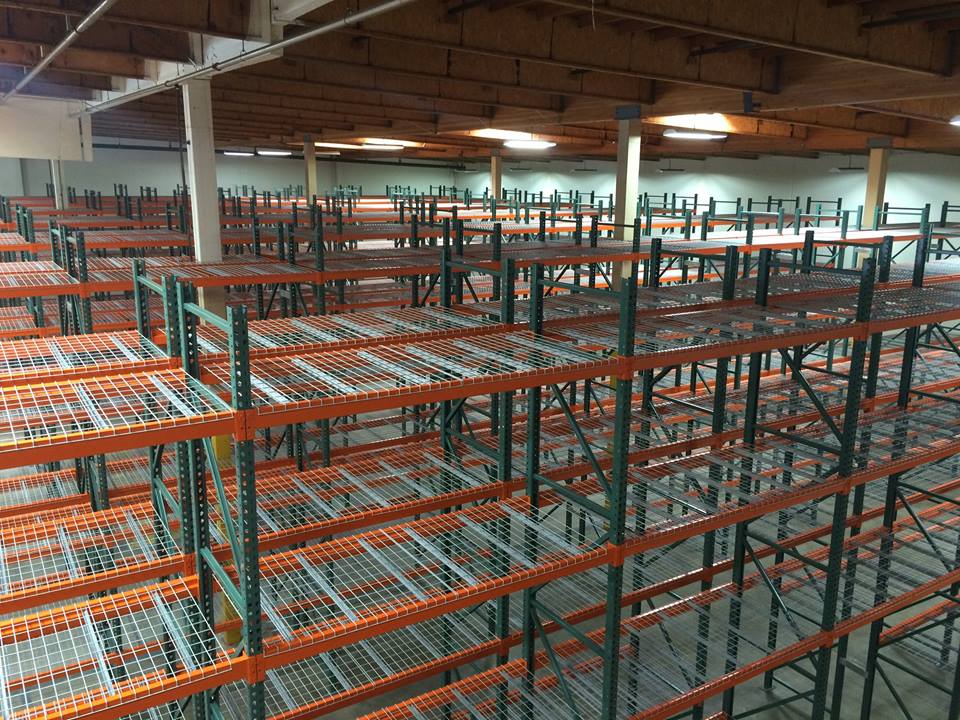
Every pallet reachable, every time. The baseline we size everything else against.
View details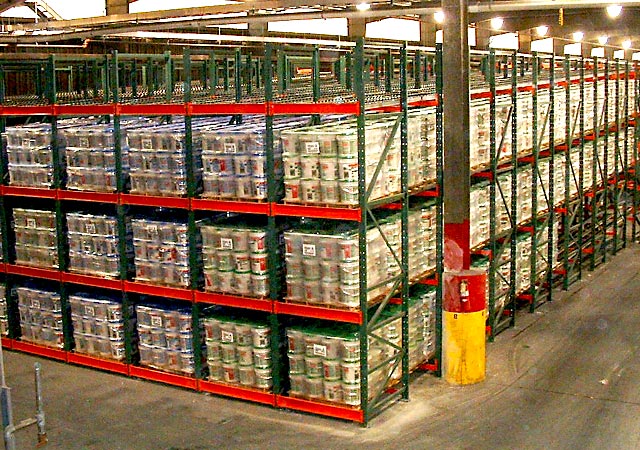
Pallet Flow Rack
Load one side, pick the other, and let gravity enforce first in, first out.
View details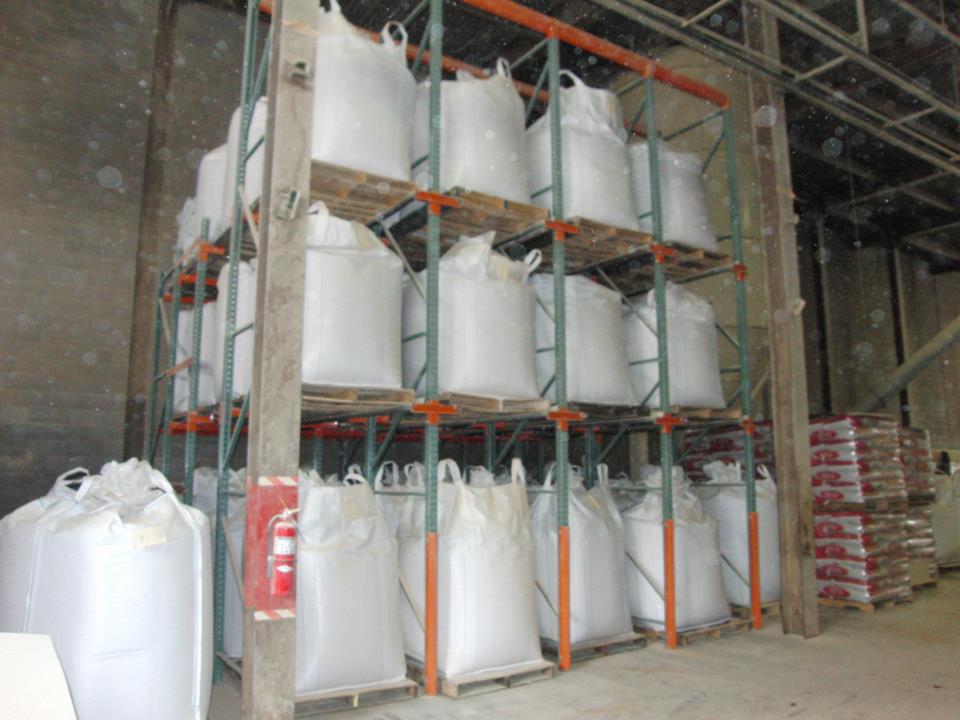
Drive-In Rack
Deep storage lanes replace interior access aisles; the forklift enters the structure to handle bulk pallets.
View details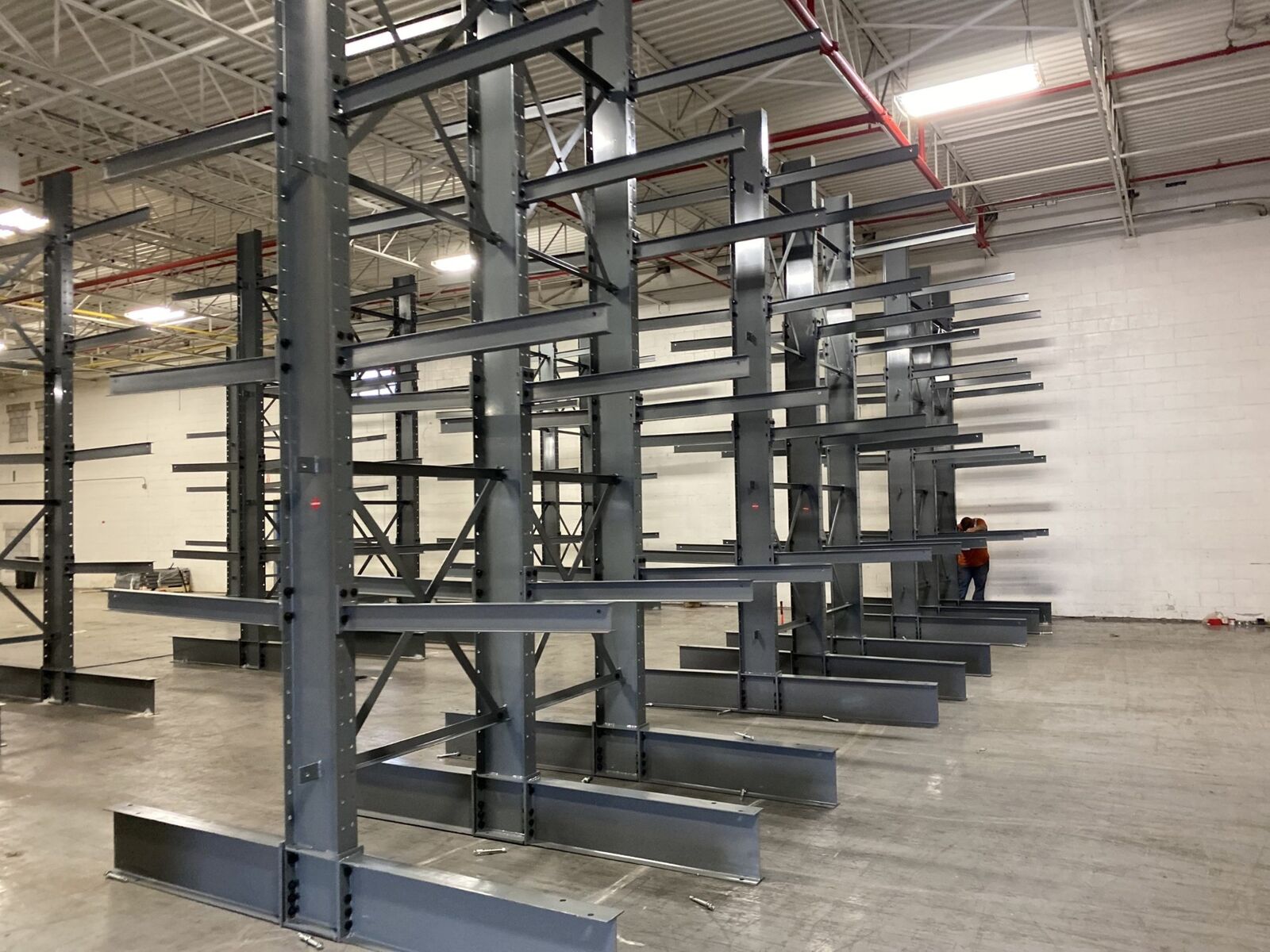
Cantilever Rack
Arms with nothing in front of them, built for lumber, pipe, and anything a pallet can't hold.
View details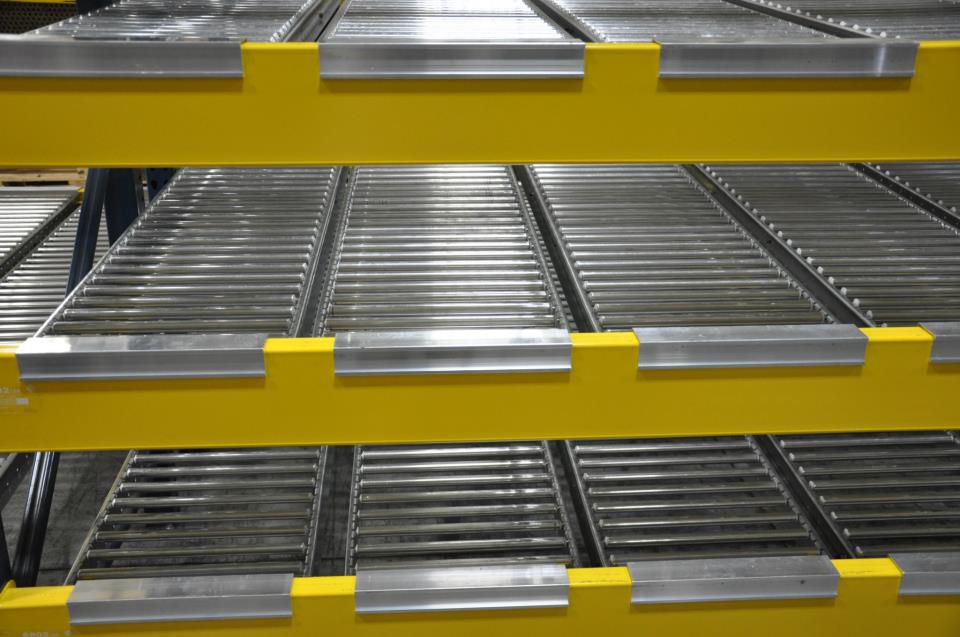
Carton Flow Rack
Cases advance to the picker instead of the picker hunting for cases.
View detailsWarehouse Relocation
Tear down, label, coordinate transport and reinstall your warehouse storage around the next building's layout.
View detailsNearby Areas We Also Serve
Related distribution sites elsewhere in the valley can inform reserve allocation.
Where We Work
Located in Seattle's industrial area, we serve the entire Puget Sound region with industrial pallet racks and warehouse storage solutions.
Seattle Pallet Racks
Address
6727 Martin Luther King Jr Way S
Ste M #1036
Seattle, WA 98118
Phone
(206) 984-1601Business Hours
Monday - Friday: 8:00 AM - 6:00 PM
Saturday: Closed
Sunday: Closed
Need Pushback Rack in Sumner?
Choose lane depth from recurring stock, not exceptional receipts.