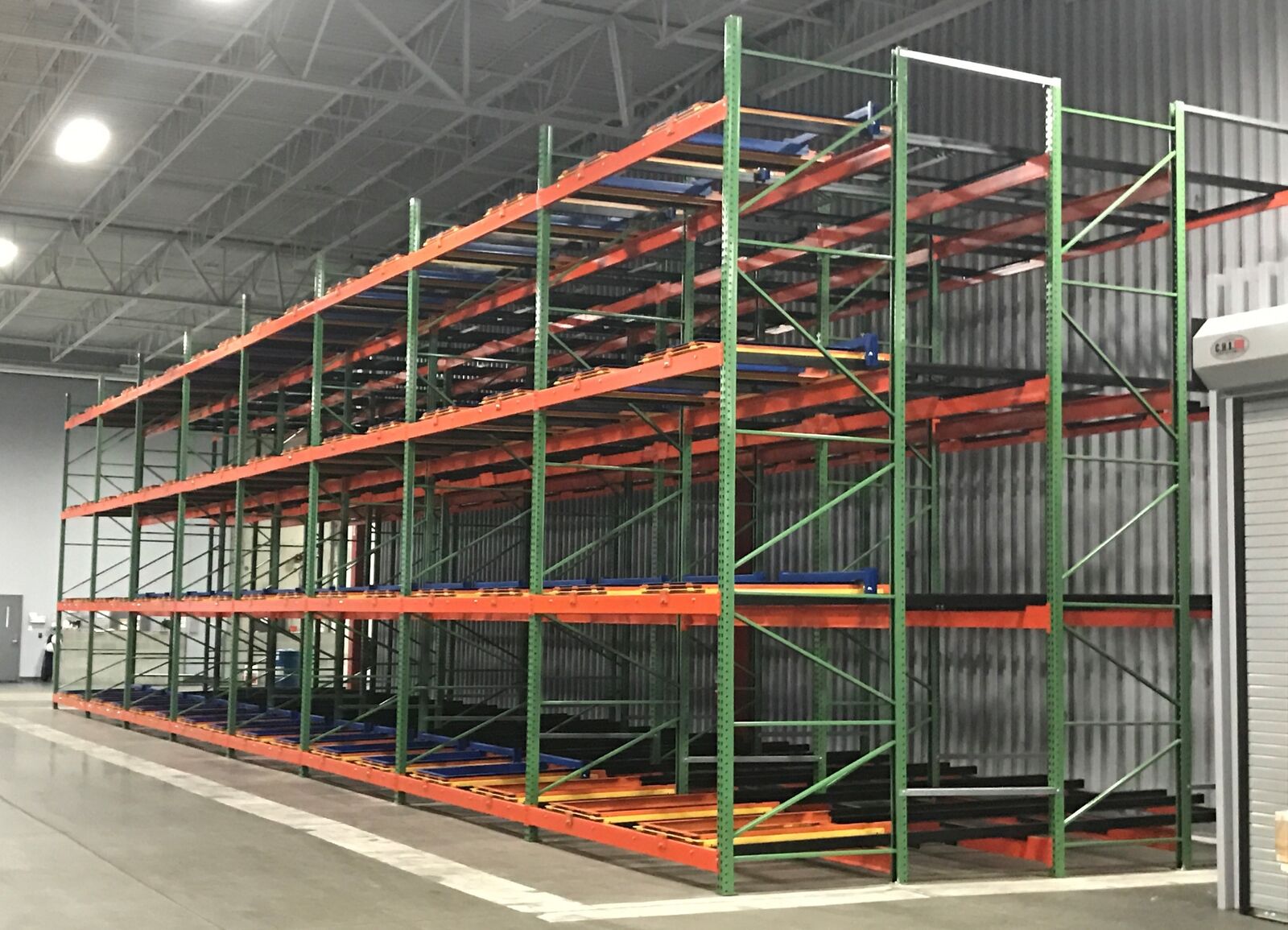
Pushback Rack in Kent, WA
Pushback rack in Kent can consolidate repeat reserve pallets while keeping forklift handling at the aisle face. For cold storage and 3PL operations, the starting question is whether each inventory group has enough interchangeable pallets to occupy deeper lanes without restricting required withdrawals.
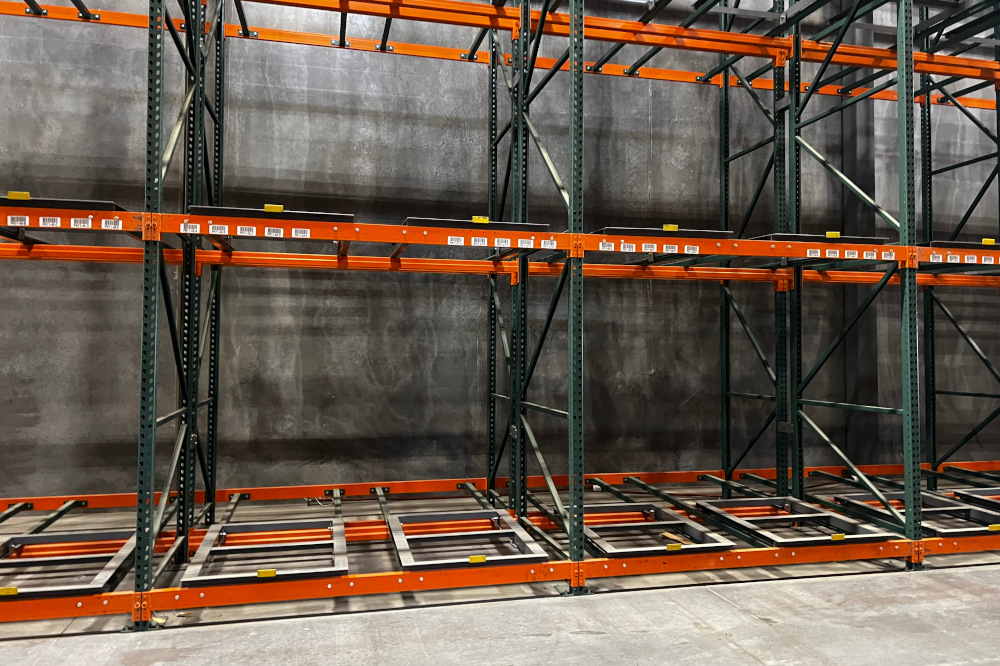
The arrangement uses nested carts on inclined rails, usually configured two to six pallets deep. Loading another pallet moves stored loads backward; removing the front pallet lets remaining loads advance under controlled forklift handling. The method depends on accepted pallet construction and a defined operating sequence, not on incline alone.
Why pushback rack needs an inventory review
We compare pallets per SKU with proposed lane depth before counting theoretical positions. A six-deep lane holding two pallets leaves space unavailable to other products. This honeycombing can outweigh the floor area gained through fewer aisles, particularly when customer allocations change. Review ordinary holdings and account restrictions alongside your fullest receiving day.
Cold-storage planning also needs the operating temperature, pallet condition and load envelope. Cart selection must address actual pallet support, while the handling procedure accounts for controlled withdrawal rather than assuming every load advances identically. Include the temperature range and representative pallets so the proposed moving components can be assessed for their intended conditions.
Seattle Pallet Racks operates as a division of Warehouse Equipment & Supplies Co., whose supplying and installing work began in 1997. Our recommendations connect inventory rules, structural requirements and the handling space shown on your layout. The proposal distinguishes account-separated capacity from locations intended for shared replenishment goods.
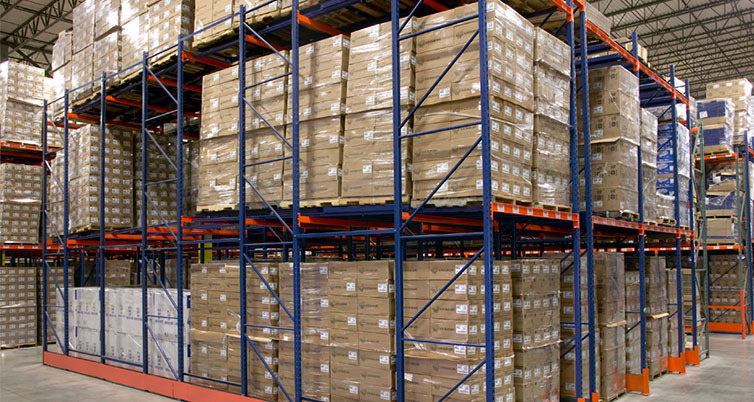
Reserve storage beside refrigerated dispatch
Across Kent Valley and the S 196th Corridor, refrigerated distribution and third-party logistics need reserve locations that do not consume dispatch staging. Separate account ownership and lot restrictions should inform lane assignments before deeper storage replaces individual pallet positions. Map the transfer from reserve to shipping so the approach aisle is not also treated as temporary outbound storage.
How pushback pallet rack lanes are selected
A workable design balances occupancy with access. We examine the inventory, moving components and supporting structure together rather than selecting depth from available floor space alone.
Group usable inventory
Identify pallets that can share a last-in, first-out lane, separating account restrictions, dated lots and products needing individual retrieval.
Choose practical depth
Compare two- through six-pallet arrangements against normal stock levels, replenishment quantities and the number of independent picking faces required.
Check moving components
Match nested carts, inclined rails and pallet contact points to load dimensions, temperature conditions and the intended loading sequence.
Confirm structural loading
Review beam and frame sizing: beam capacity applies per pair at a level; frame loading depends on height and beam spacing.
Push back racking specifications and installation
Heavier pallets require more than a higher number on a beam schedule. The cart assembly, rails, connections and supporting frames must suit the specified loads. Frame capacity belongs to the reviewed configuration, not a generic upright label. Approved load plaques provide the operational reference once the full arrangement has been established.
Existing rack is not universally compatible with a pushback rack conversion. Upright geometry, connection details, frame configuration and original loading assumptions require review. A Free Design Consultation can compare retaining suitable components with a separately specified storage block, without presuming either option will fit. Photographs and available member identification help define what must be checked.
We coordinate and manage experienced installers around agreed staging and warehouse access. The scope defines approved pallets, lane loads and operating instructions. Selective rack preserves direct access; drive-in requires forklifts inside storage lanes; pallet flow provides FIFO when receipt order must govern retrieval. A refrigerated storage proposal should explain the retrieval tradeoff as clearly as its pallet position count.
Kent storage servicesPushback system optionsCompare drive-in in KentFull-pallet rotation in Kent
Pushback Rack System Details
Review your refrigerated reserve layout
Share stock quantities, pallet photographs and temperature requirements. Call us at (206) 984-1601.
Seattle Pallet Racks
6727 Martin Luther King Jr Way S
Ste M #1036
Seattle, WA 98118
(206) 984-1601Monday - Friday: 8:00 AM - 6:00 PM
Questions from cold-storage planners
Other Warehouse Storage Services in Kent
Pallet Rack
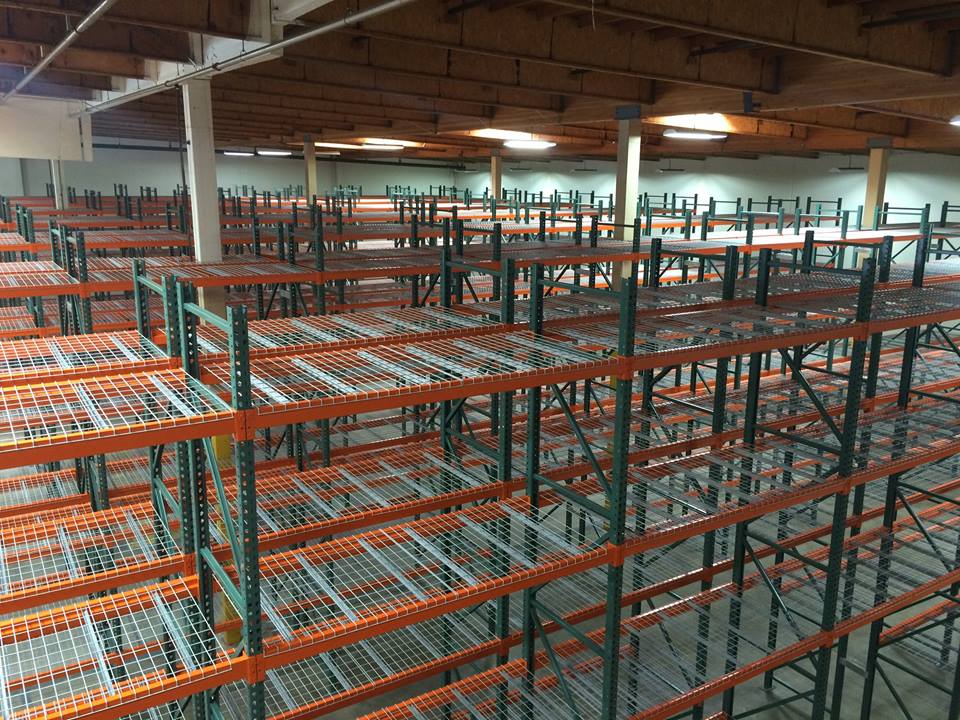
Every pallet reachable, every time. The baseline we size everything else against.
View details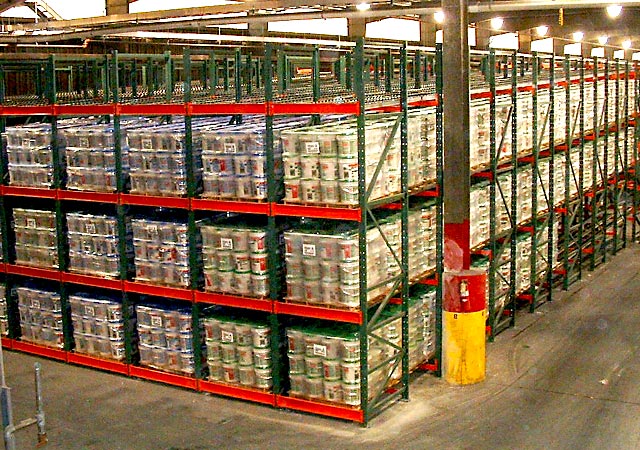
Pallet Flow Rack
Load one side, pick the other, and let gravity enforce first in, first out.
View details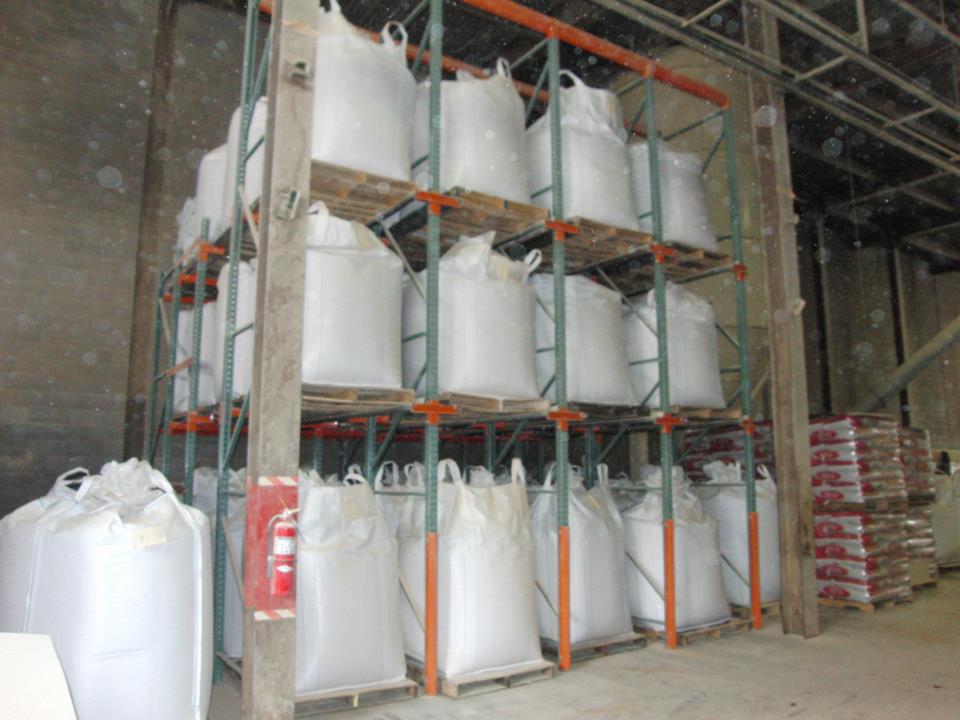
Drive-In Rack
Deep storage lanes replace interior access aisles; the forklift enters the structure to handle bulk pallets.
View details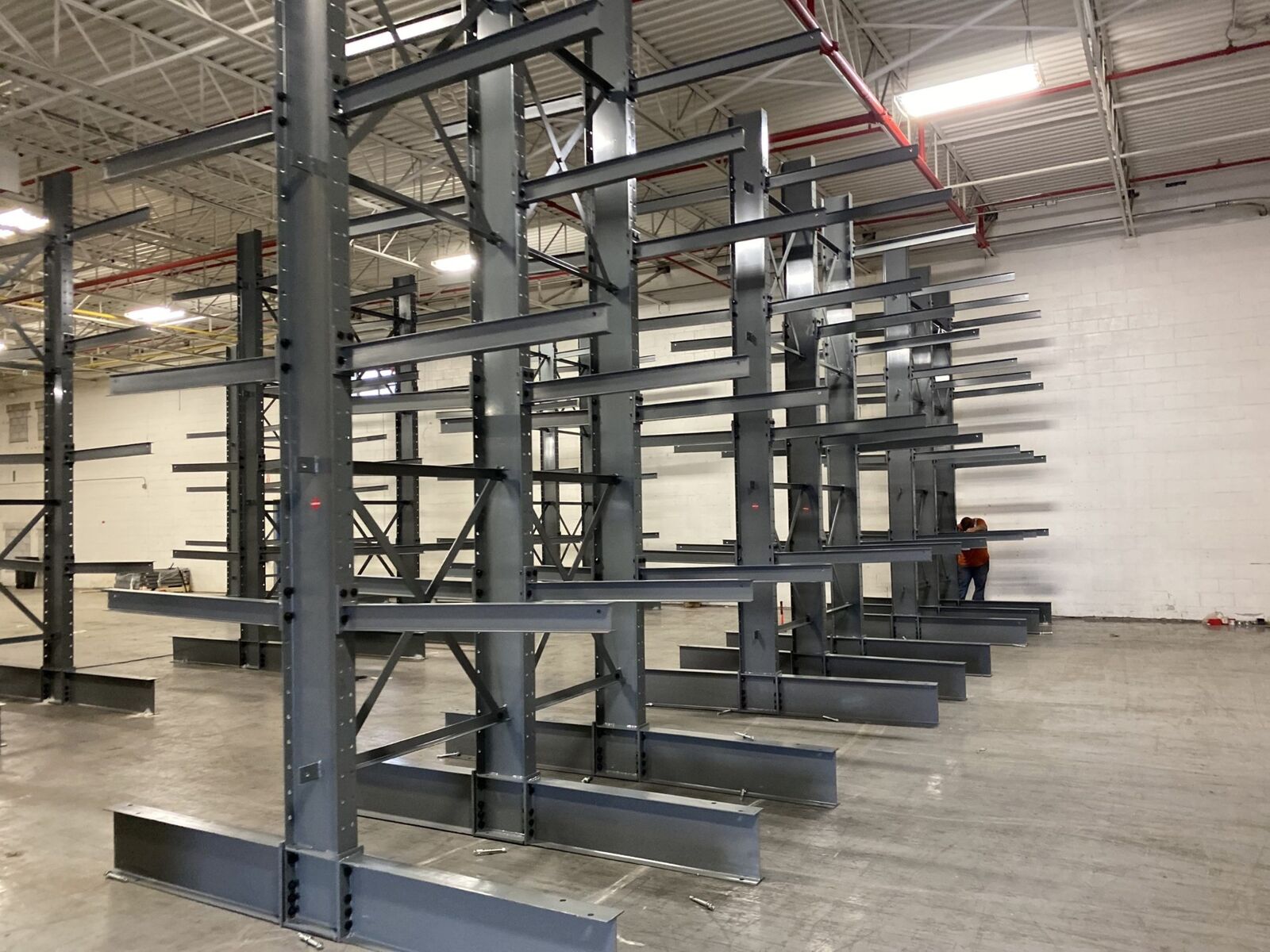
Cantilever Rack
Arms with nothing in front of them, built for lumber, pipe, and anything a pallet can't hold.
View details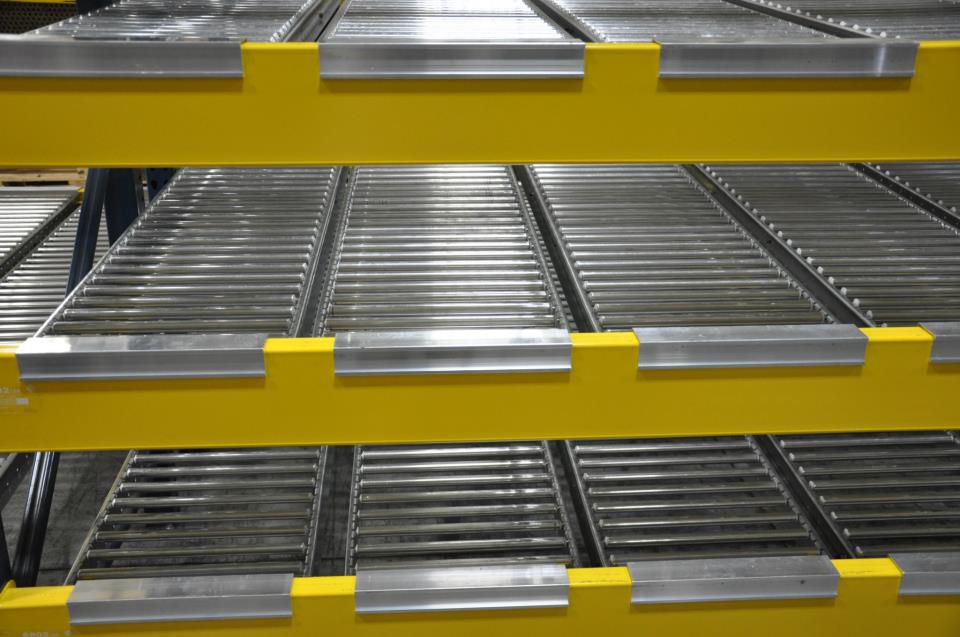
Carton Flow Rack
Cases advance to the picker instead of the picker hunting for cases.
View detailsWarehouse Relocation
Tear down, label, coordinate transport and reinstall your warehouse storage around the next building's layout.
View detailsNearby Areas We Also Serve
We can also discuss reserve-storage needs at related South King County facilities.
Where We Work
Located in Seattle's industrial area, we serve the entire Puget Sound region with industrial pallet racks and warehouse storage solutions.
Seattle Pallet Racks
Address
6727 Martin Luther King Jr Way S
Ste M #1036
Seattle, WA 98118
Phone
(206) 984-1601Business Hours
Monday - Friday: 8:00 AM - 6:00 PM
Saturday: Closed
Sunday: Closed
Need Pushback Rack in Kent?
Match cold-storage depth to the inventory you can actually group.